

1
3
WhatsApp_Image_2026-03-23_at_10.45.18_AM_2560x1179 (1)
Effective forest fire prevention depends on what happens long before a fire starts, at the level of awareness, relationships, and preparedness within forest-edge communities.
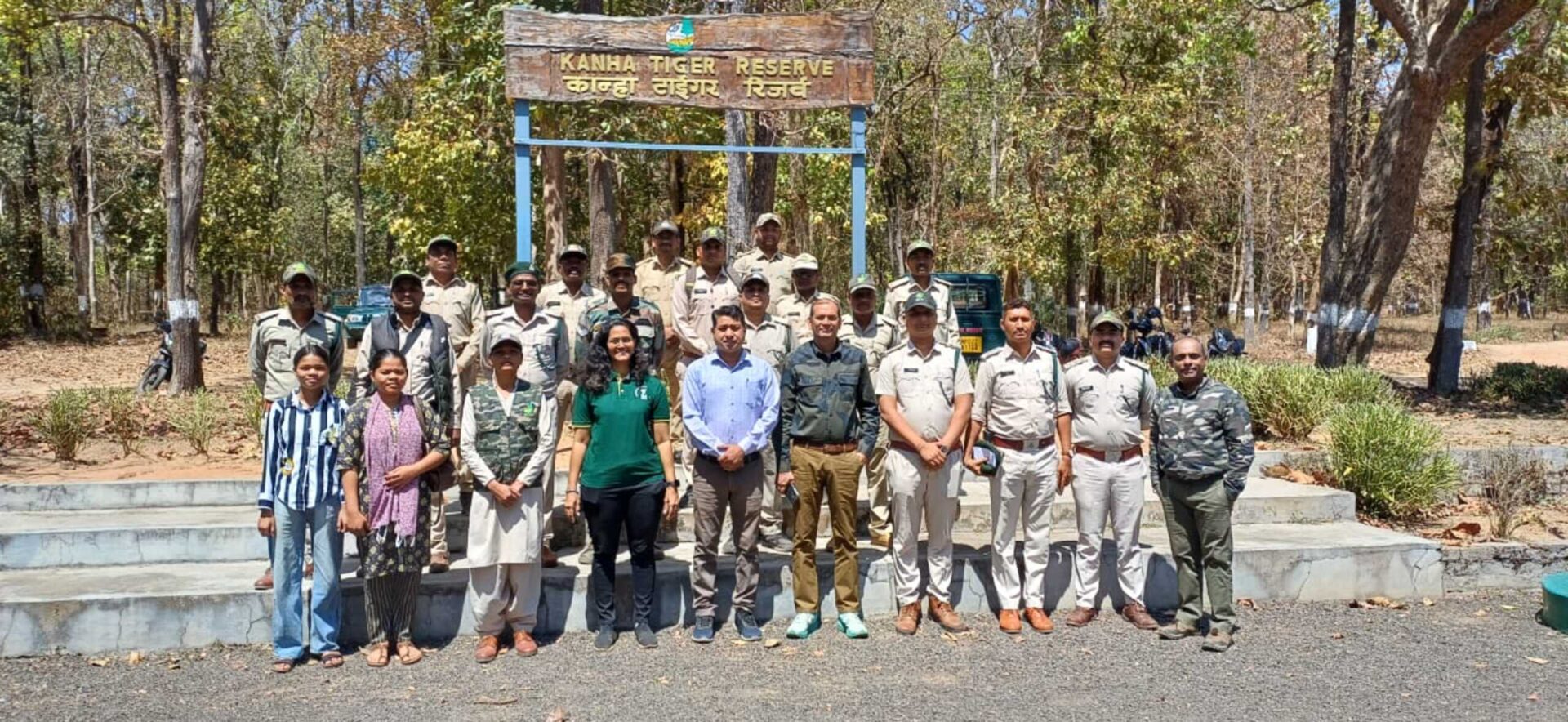
In this context, Kanha Tiger Reserve collaborated with Last Wilderness Foundation to conduct a hands-on workshop for 12 Forest Department frontline staff, focusing on how to engage communities more effectively in fire prevention efforts.
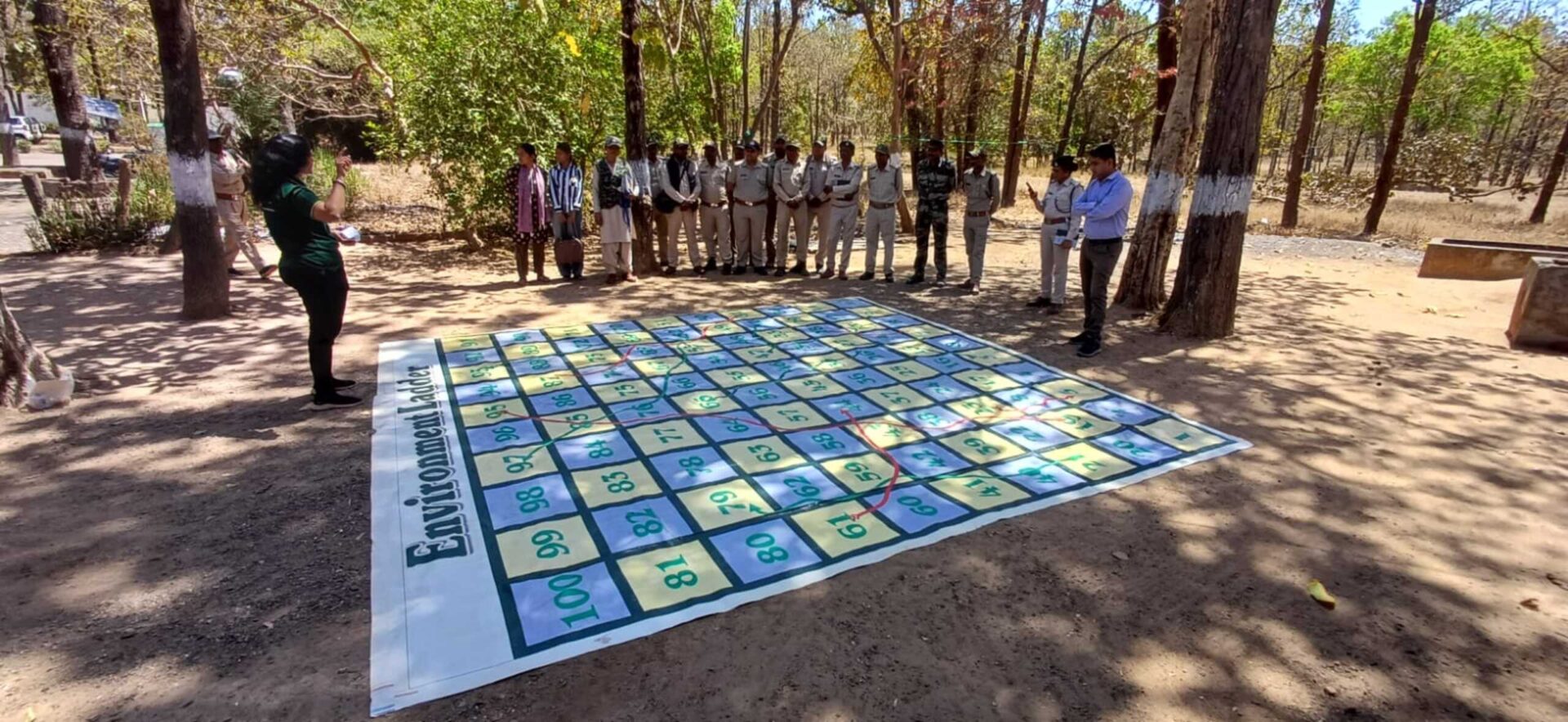
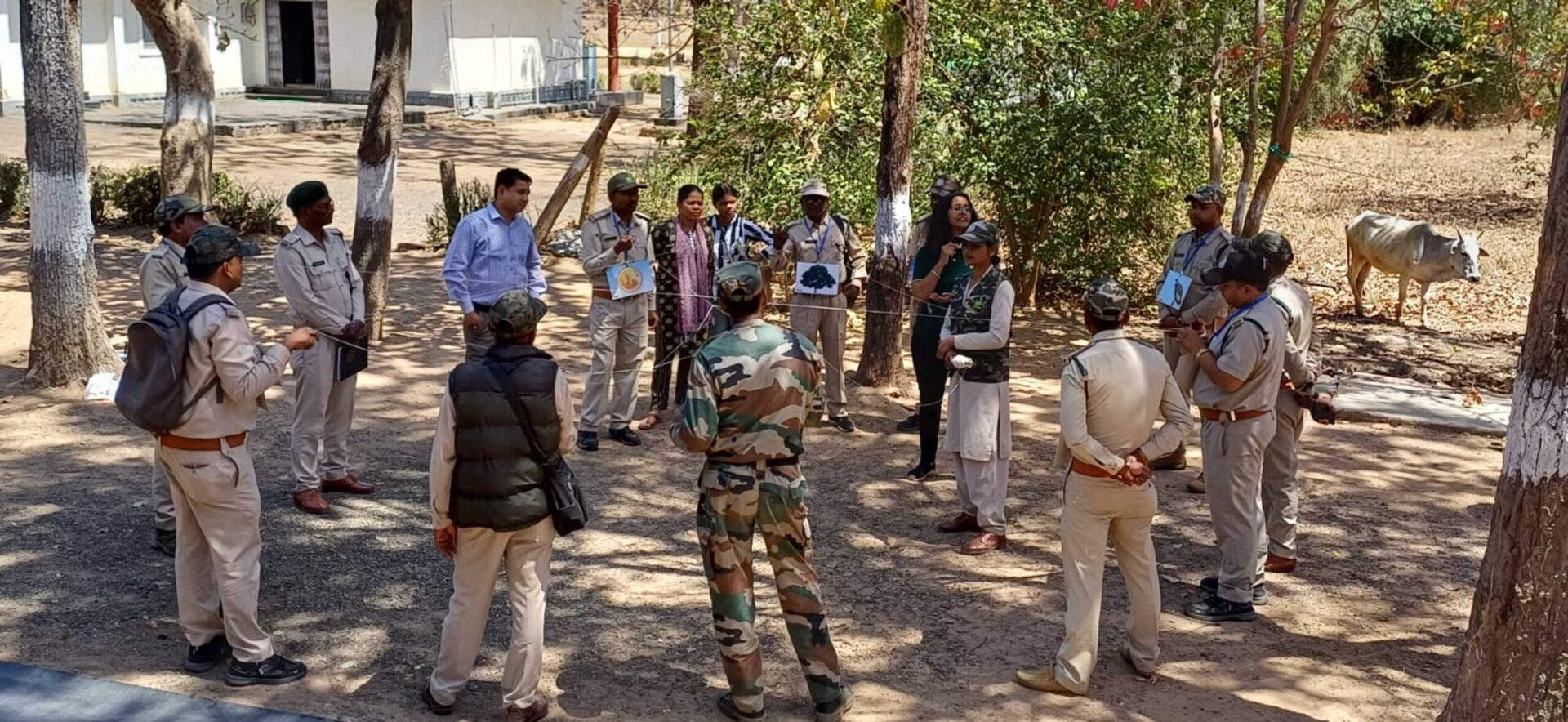
The session was designed to be highly interactive through various interactive sessions to help participants understand the interconnectedness of forest ecosystems and how even small disturbances, like fire, can have cascading impacts on biodiversity, livelihoods, and ecological balance. Other group exercises focused on building trust, communication, and collaboration skills that are essential when working closely with communities.
The workshop moved beyond theory, offering practical tools and strategies that frontline staff can use in their daily interactions with villages. Discussions focused on how to communicate fire risks clearly, encourage safer practices during the dry season, and build local support systems that enable early reporting and quick response.
A key focus of the workshop was strengthening the link between the Forest Department and communities, not just as a line of communication, but as a working partnership. When communities are informed and involved, they become an active part of the prevention system instead of passive observers.
The workshop also emphasized building a grassroots information network where timely sharing of information from villages can significantly reduce response time and limit the spread of fires.
What emerged clearly was that consistent engagement with communities makes fire prevention efforts more responsive and effective on the ground.