

2_2560x1920
3_2560x1920
From years in the field, one thing is clear, forest fires are the result of conditions that build up over time, not sudden events. This happens specially when the forest floor is layered with dry leaves, temperatures rise, and human activity in forests increases. This is precisely why fire prevention workshops are not optional, they are essential. They create a space to prepare, align, and act before the first spark turns into a crisis.
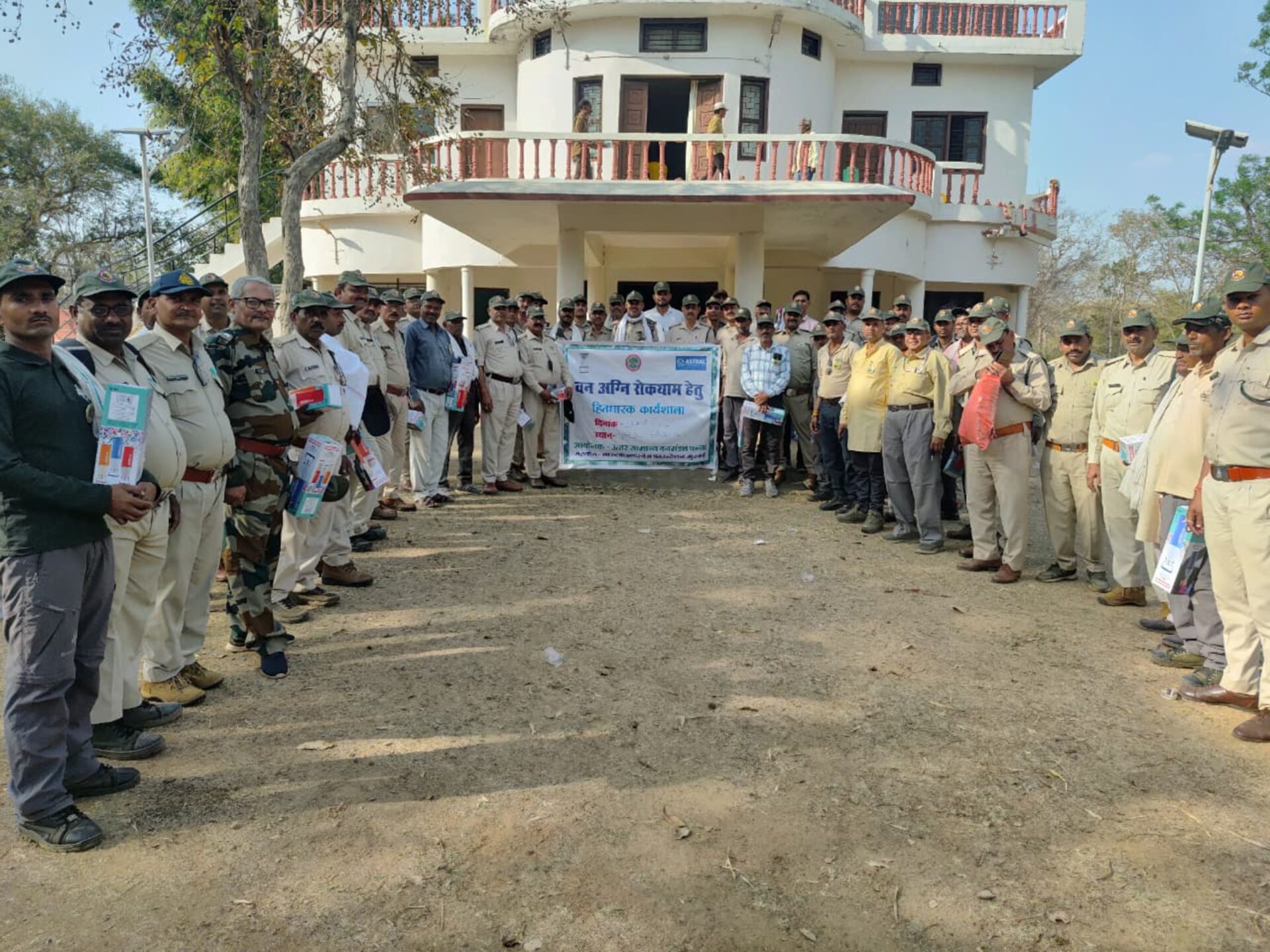
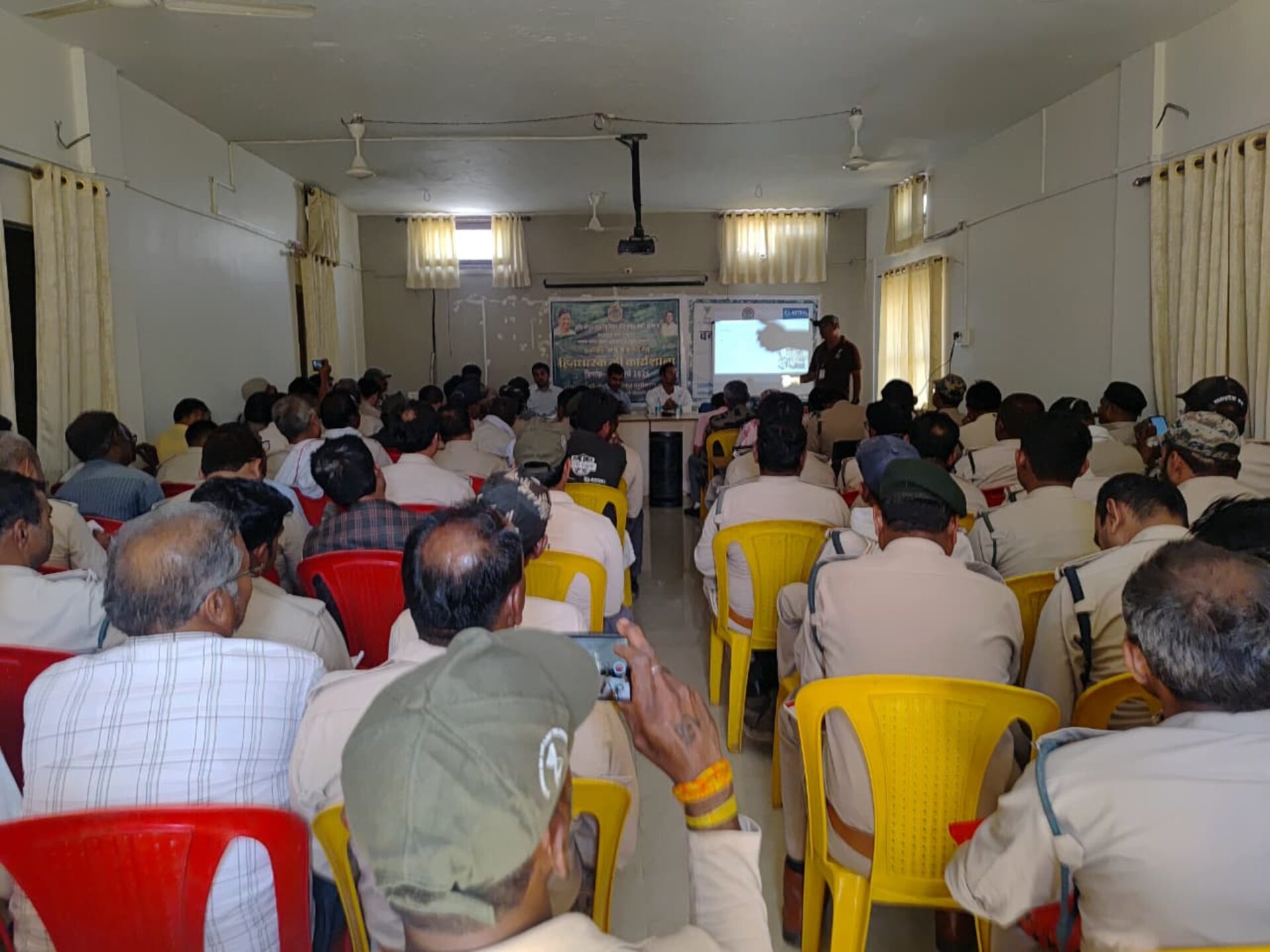
To address this, on March 18, 2026, a workshop on forest fire prevention was held at Smriti Van Eco Centre in Panna. The workshop was jointly organized by the North Panna Forest Division and Last Wilderness Foundation.
Having spent years working closely with forest departments and communities, it is clear that prevention is always more effective than response. The workshop focused on preparing for the 2026 fire season under the shared goal of Mission Zero Forest Fire. Discussions were grounded in practical realities of what works on the field, where systems break down, and how coordination can be strengthened before peak fire season begins.
Workshops like these are critical because they bring everyone to the same table, forest officials, frontline staff, and community representatives. This alignment is often what determines how quickly and effectively fires are detected and controlled. They also allow for honest conversations about challenges on the ground, from resource gaps to response time, and help build solutions that are realistic and actionable.
One of the most important lessons from the field is the role of जन–भागीदारी (community participation). Local communities are often frontline protectors of forests. In many cases, they are the first to spot a fire and the first to respond. Strengthening their involvement, awareness, and capacity is central to any meaningful fire prevention effort.
The workshop reaffirmed a shared commitment to work collectively, stay prepared, and act early. Because in forest fire management, timing, coordination, and community trust make all the difference!