

IMG20251121121413_2560x1920
Panna_FV_GS_LWF_20251121_1312330_2560x1920
IMG20251121124329_2560x1920
Farms located near forest areas often face repeated crop raids by wild herbivores, leading to losses for families and increased pressure on rural livelihoods and thus become the major cause of resentment and retaliatory conflict. Overgrazing by cattle in protected areas often lead to depletion of resources within the forest, forcing wild herbivores out of their boundaries and into villages in search of food. They are then followed by predators which often results in conflicts.
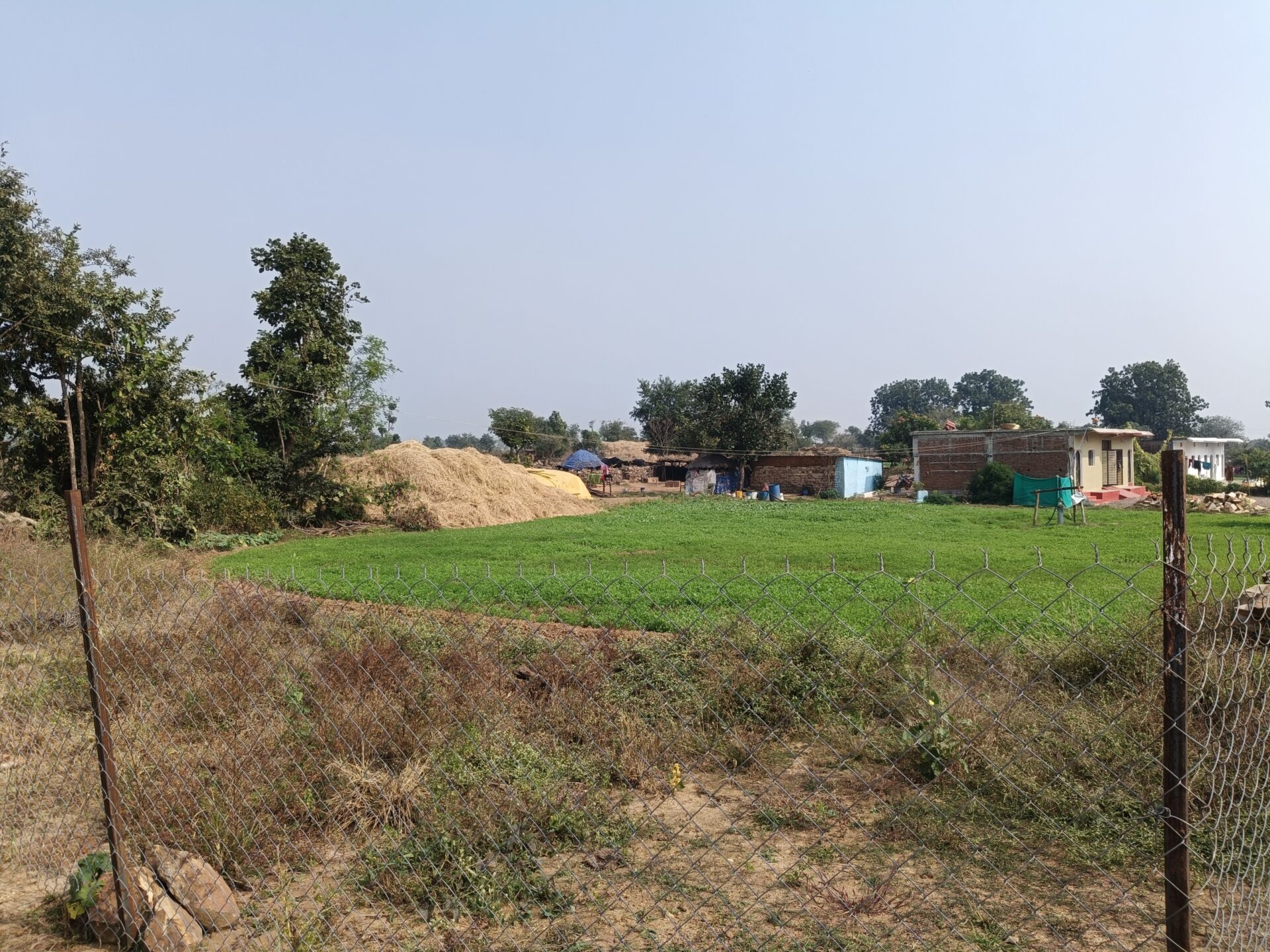
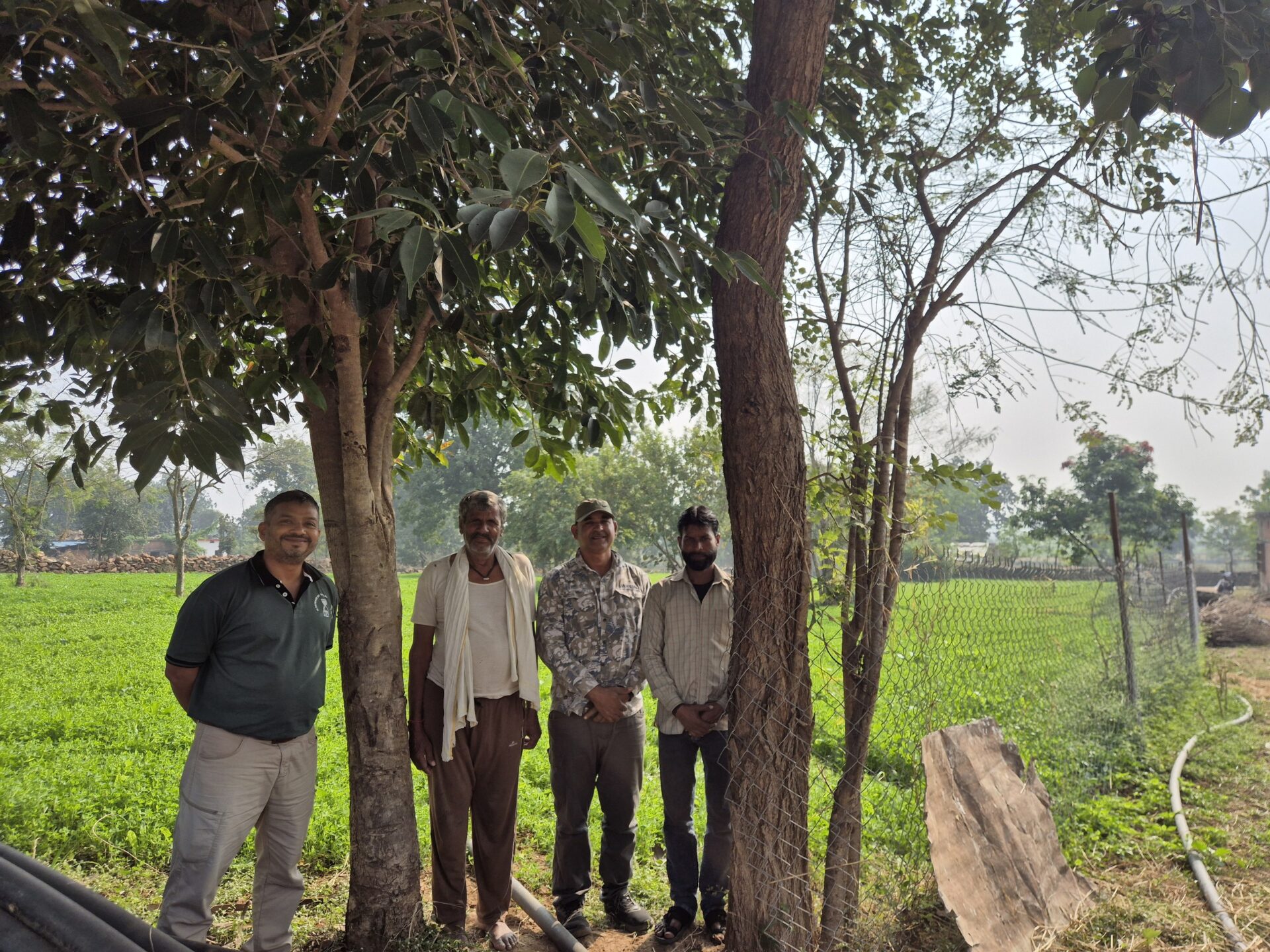
Through the Fodder Land Project, Last Wilderness Foundation works with cattle-herding communities to address this challenge by supporting secure chain-link fencing around designated fodder plots and promoting dedicated fodder cultivation.
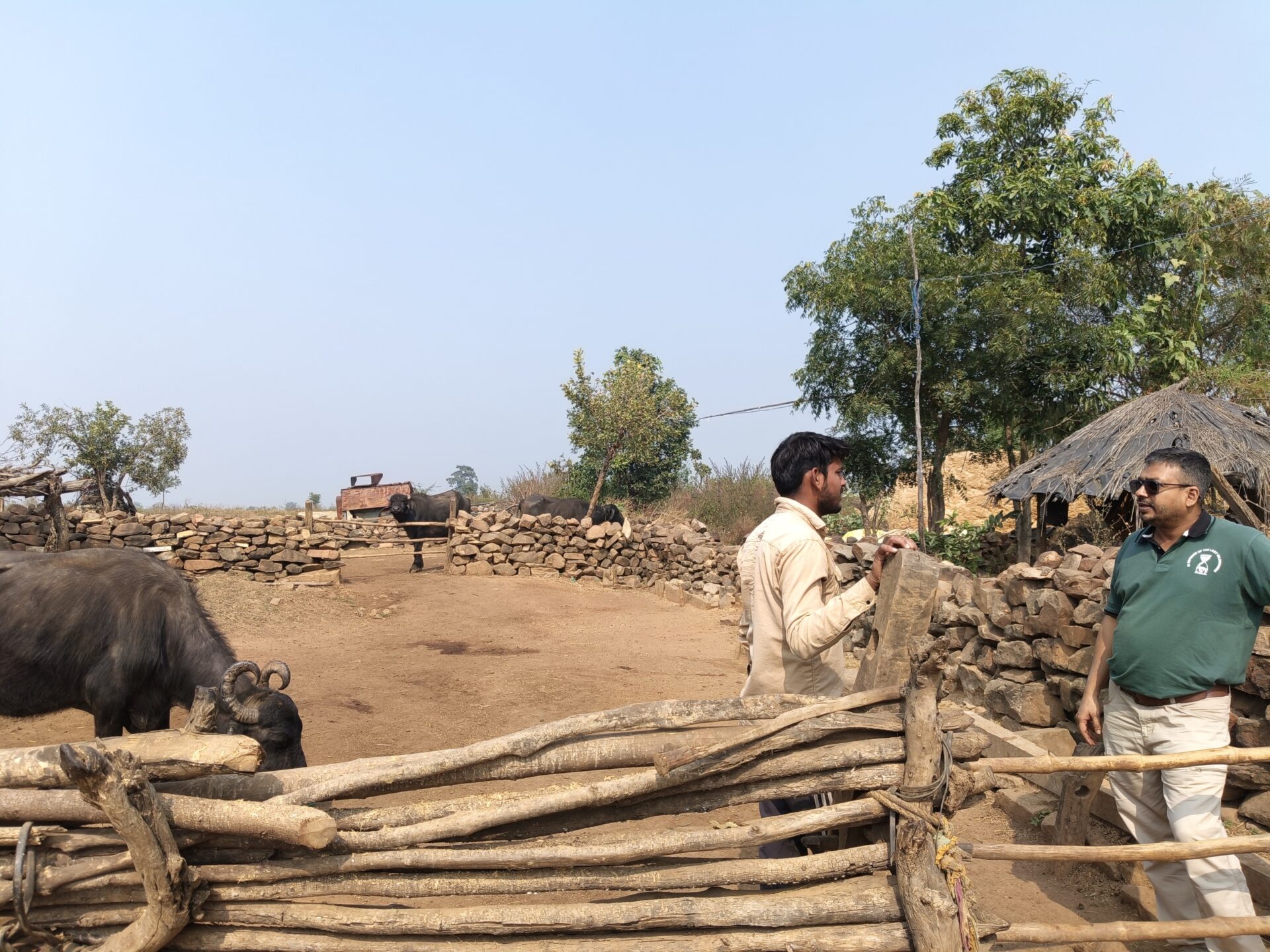
This approach helps protect not only fodder land but also the sustenance agriculture of the farmers. It also encourages stall feeding practices, reducing the need for livestock to graze inside forest areas. As a result, herders no longer have to take their cattle into forests for grazing, significantly lowering the risk of confrontation with wild animals.
So far, the project has supported 9 beneficiaries across 3 villages—Ranipur, Khajri, and Kalyanpur—with chain-link fencing, with support from DCB Bank through its CSR programme.
Cattle health improves, milk production increases, and farmer incomes become more stable. At the same time, reduced dependence on forest resources helps ease pressure on surrounding ecosystems.
By addressing both livelihood needs and ecological concerns, the project offers a practical and scalable model for fostering peaceful coexistence between people and wildlife.