

WhatsApp Image 2026-03-18 at 5.51.51 PM
3
6
5
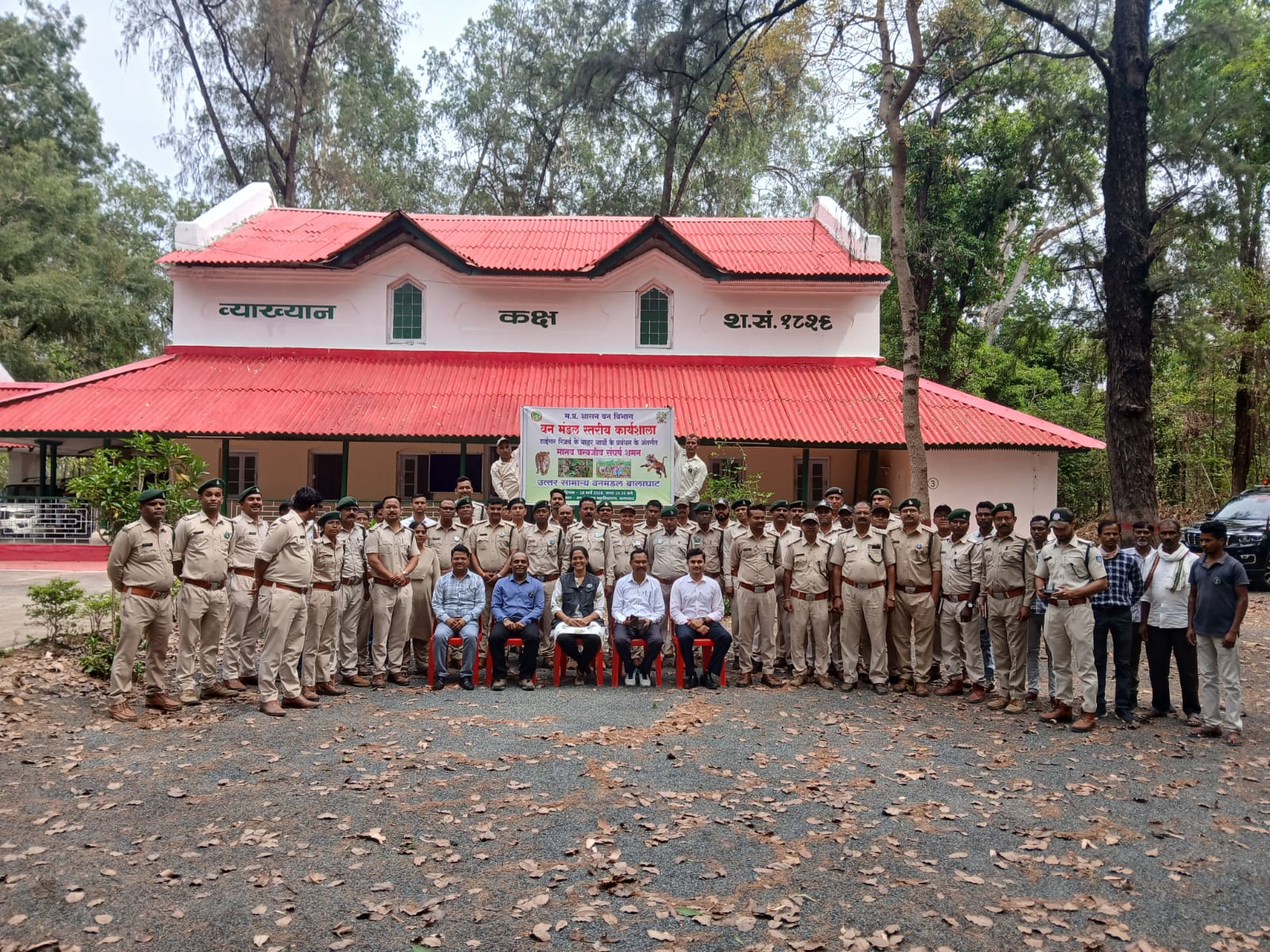
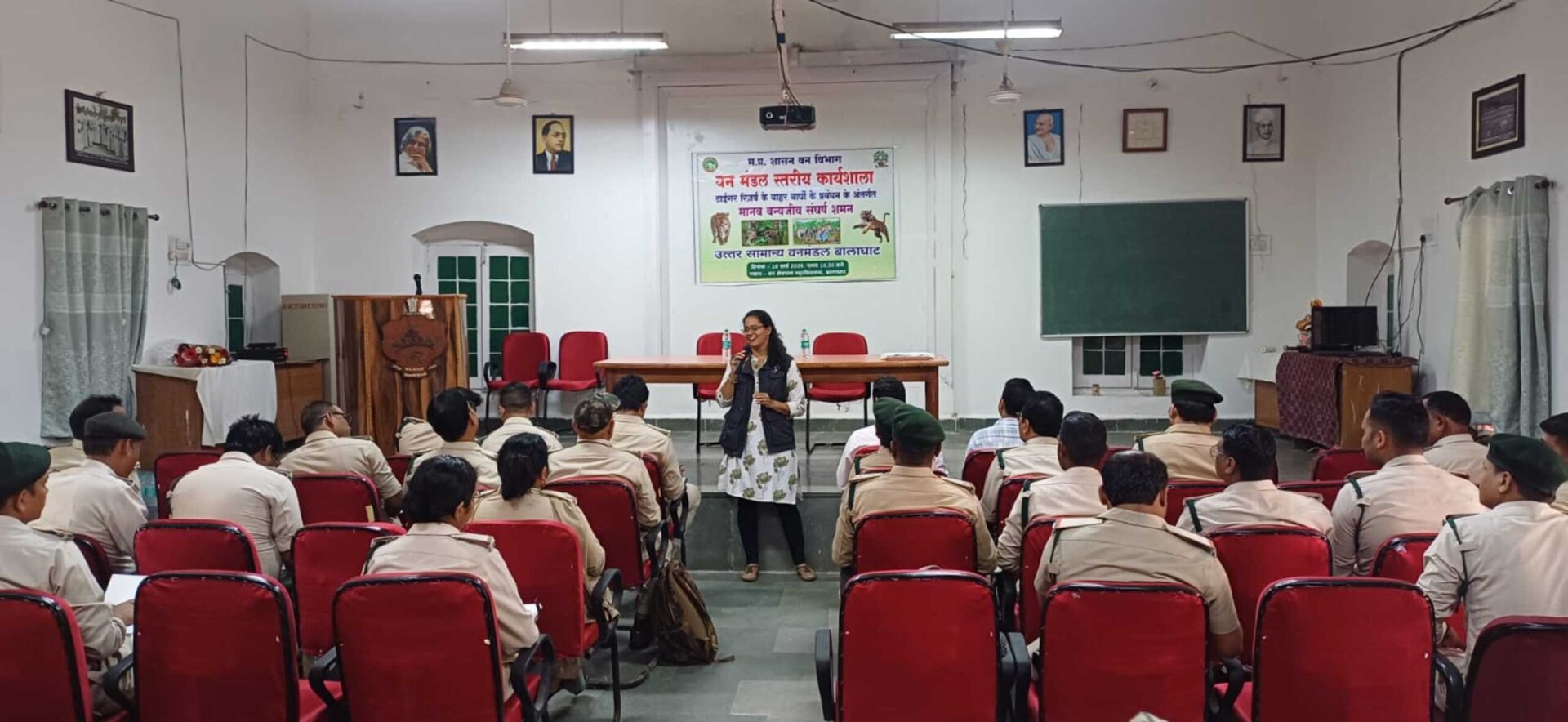
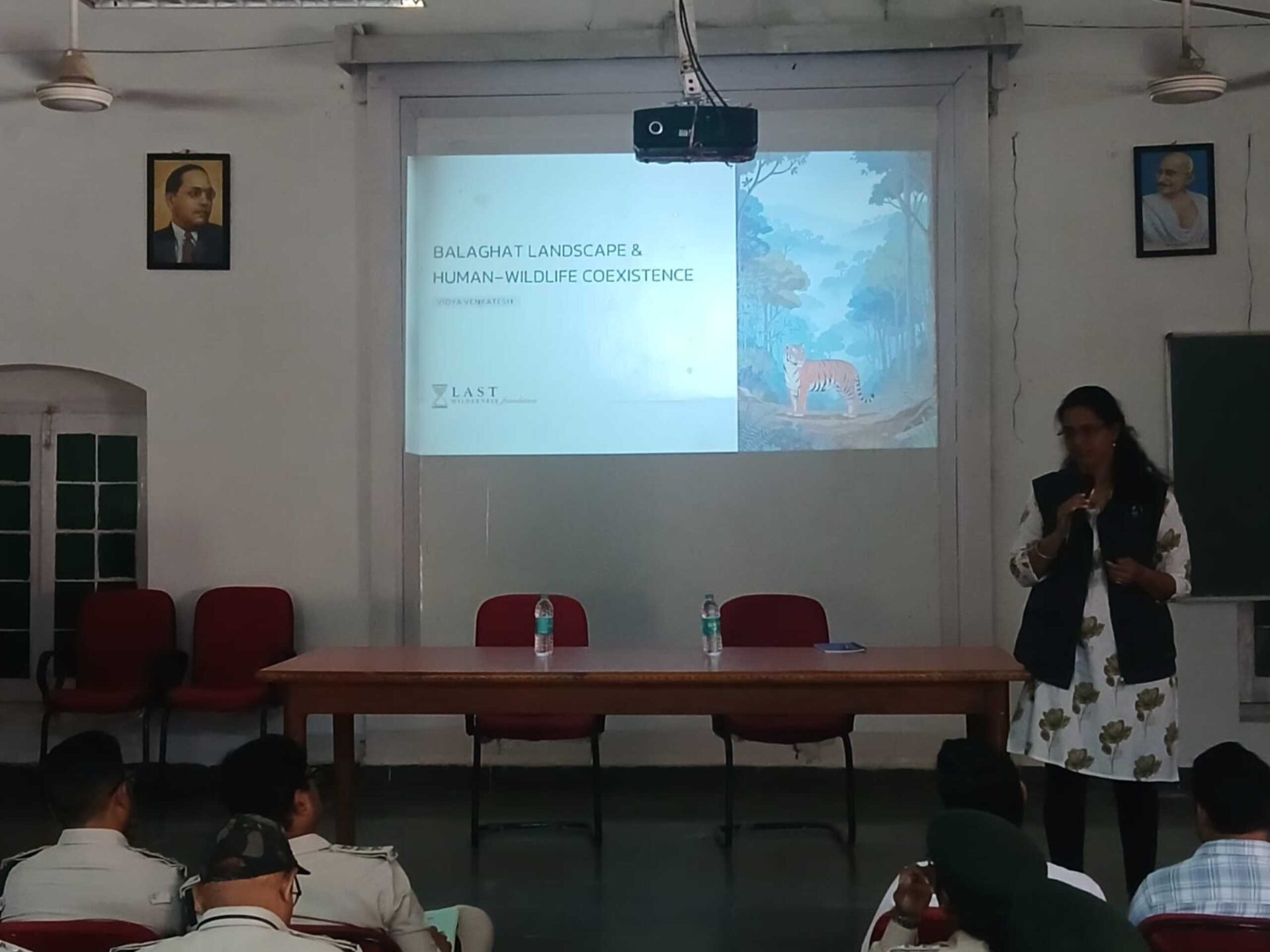
On March 18, 2026, around 60 frontline forest staff from the Balaghat (North) Division came together for a workshop on human–wildlife negative interactions, an initiative led by the Balaghat North Forest Division, with technical facilitation from Last Wilderness Foundation.
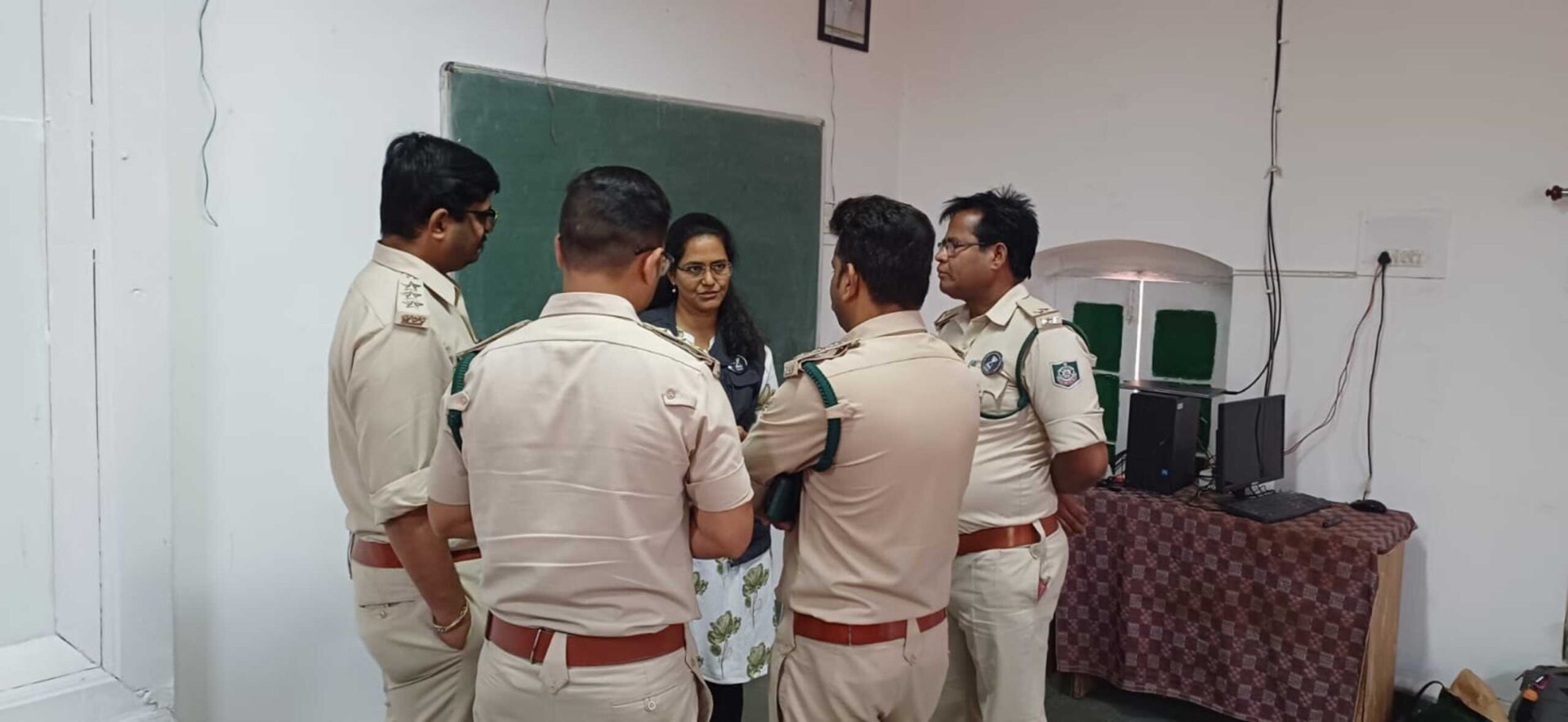
What stood out through the session was the openness and depth of field experience shared by participants. Staff from different beats and ranges mapped out conflict-prone areas, identified patterns, and discussed the challenges they regularly face. These were grounded, on-the-job realities shaping the conversation.
The workshop was highly participatory. Through group activities and discussions, participants worked through real scenarios examining what has worked, what hasn’t, and what might be adapted to their specific contexts. Mapping exercises and collective analysis of response strategies helped build a clearer, shared understanding of the issue.
A key takeaway from the session was a shift in perspective. It was discussed that measures like trapping or relocating animals rarely resolve conflict, they often postpone it or displace it elsewhere. Instead, the focus needs to be on understanding patterns of movement, seasonal triggers, and local factors that influence these interactions.
The discussions emphasized prevention, recognising early warning signs, reducing attractants, and strengthening coordination with communities to prevent situations from escalating.
The workshop created a space for practical problem-solving, drawing directly from field realities and reinforcing the importance of context-specific approaches in managing human–wildlife interactions.