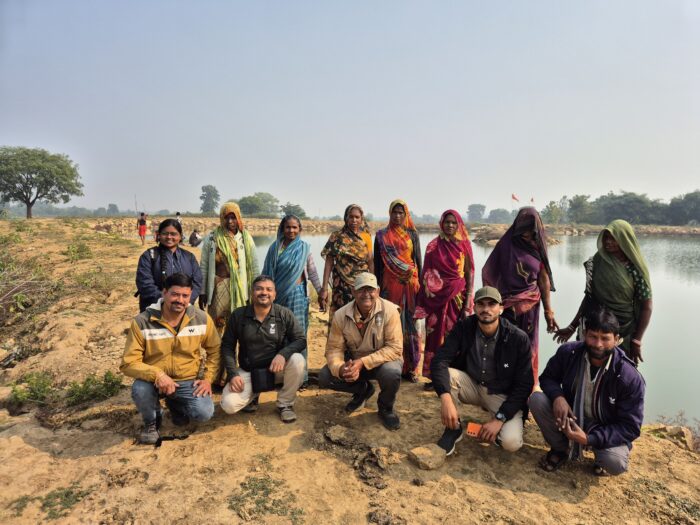
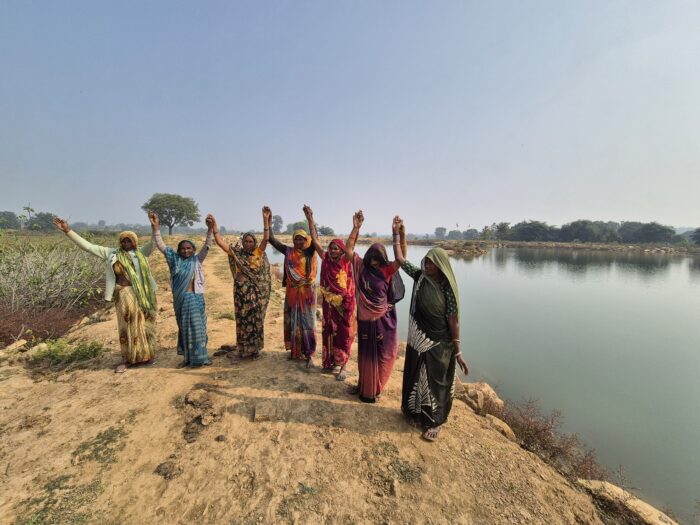
Over the past few years, we have been working to restore the Khajri Kudar Pond in Panna, a vital community waterbody that supports local livelihoods and biodiversity. Once degraded and underutilized, the pond required sustained ecological intervention and long-term engagement with multiple stakeholders to revive both its ecological and social value.
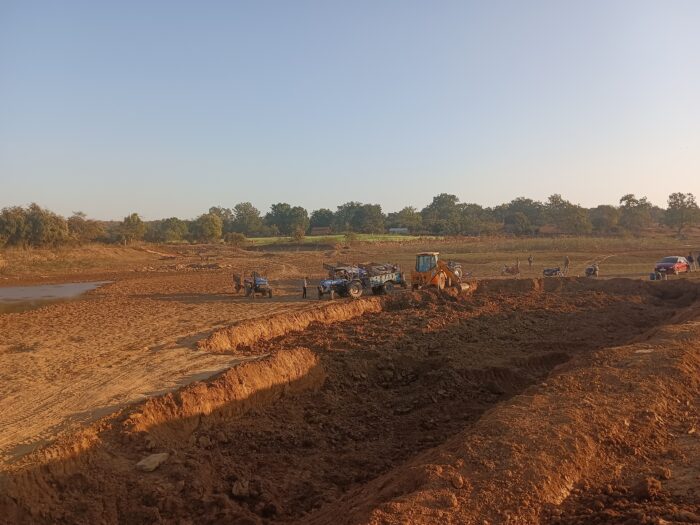
Restoring this pond was not a straightforward process. On the ground, the work involved navigating real-world challenges such as securing approvals from relevant government departments, coordinating with multiple agencies, and conducting years of repeated meetings with both officials and villagers to build consensus and trust. Organising labour, aligning timelines, and sustaining momentum over multiple seasons also posed ongoing challenges.
Equally significant were the natural constraints. Once we started the work, the landscape presented issues of poor water retention, siltation, and fluctuating water levels driven by unpredictable weather patterns. Seasonal variability, extended dry periods, and changing rainfall affected both restoration activities and ecological recovery, requiring adaptive planning and patience.
Rather than treating restoration as a one-time intervention, we focused on steady, long-term engagement. Alongside ecological improvements, we prioritised community participation, local capacity building, and shared decision-making to ensure the pond’s sustainability beyond the project period.
A New Milestone: Women-Led Livelihoods
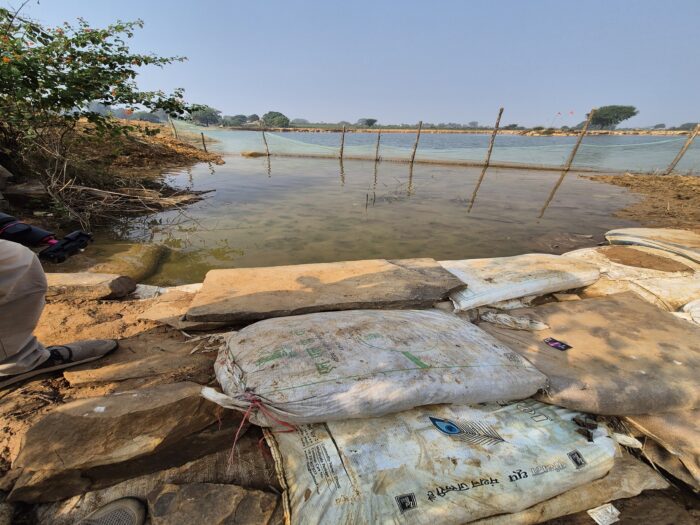
The restoration that began in early 2023 ended in March 2025. And has since marked a critical step forward with the formation of a women’s Self-Help Group (SHG) comprising over ten widowed women from the village. With LWF’s support, the group released fish seed into the restored pond and are now being trained in sustainable fishing practices. Once the fish mature in the coming months, this initiative will provide a dependable source of income.
In parallel, we are supporting the women in understanding the pond’s ecology, its birds, aquatic life, and surrounding natural systems. This knowledge is intended to build long-term opportunities, enabling them to eventually serve as local guides for birders and other visitors interested in the area’s natural heritage.
Outcomes So Far
- Revival of a degraded community pond
- Successful navigation of institutional and ecological challenges
- Formation of a women-led SHG linked to sustainable fisheries
- Reduced dependence on forest and NTFP
- Increased ecological awareness and local stewardship
- Community-led monitoring, with SHG members keeping a watch on the pond and responsibly reporting any illegal activities to the Gram Rakshak.
The restoration of Khajri Kudar Pond highlights the importance of persistence, collaboration, and community ownership in conservation. With women from the village directly involved in managing and safeguarding the pond, it is beginning to serve both ecological and livelihood needs.