

WhatsApp_Image_2026-04-30_at_3.33.34_PM_2560x1926
WhatsApp_Image_2026-04-30_at_3.32.11_PM_2560x1926
WhatsApp_Image_2026-04-30_at_3.30.40_PM_2560x1926
The dry deciduous forests of Panna Tiger Reserve, Bandhavgarh Tiger Reserve, Gandhi Sagar Wildlife Sanctuary, and Kuno National Park are at high risk for forest fires during the summer months. Rising temperatures, dry vegetation, and collected leaf litter create conditions where even small sources of ignition can quickly turn into large fires, threatening wildlife, habitats, and local livelihoods.
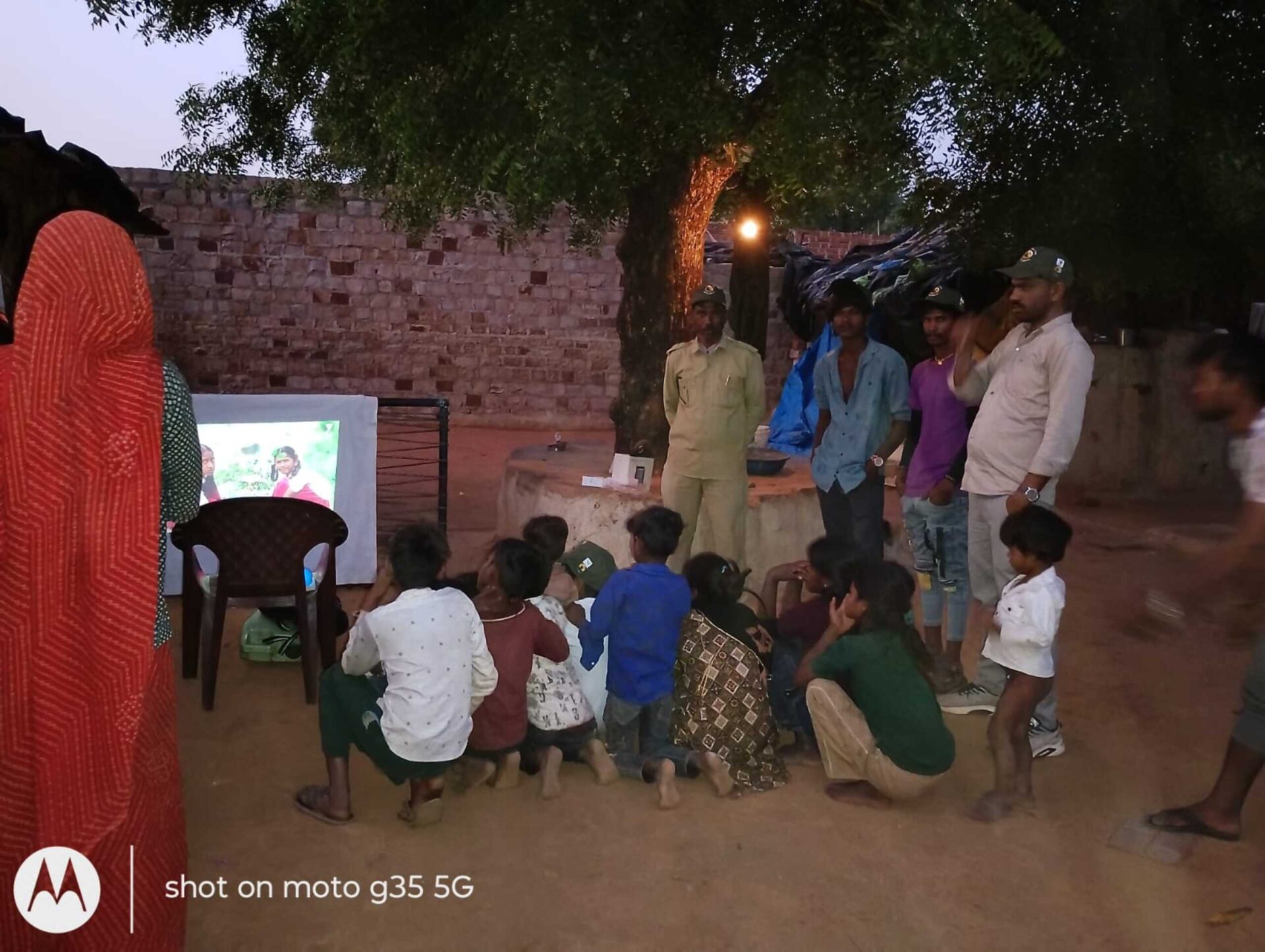
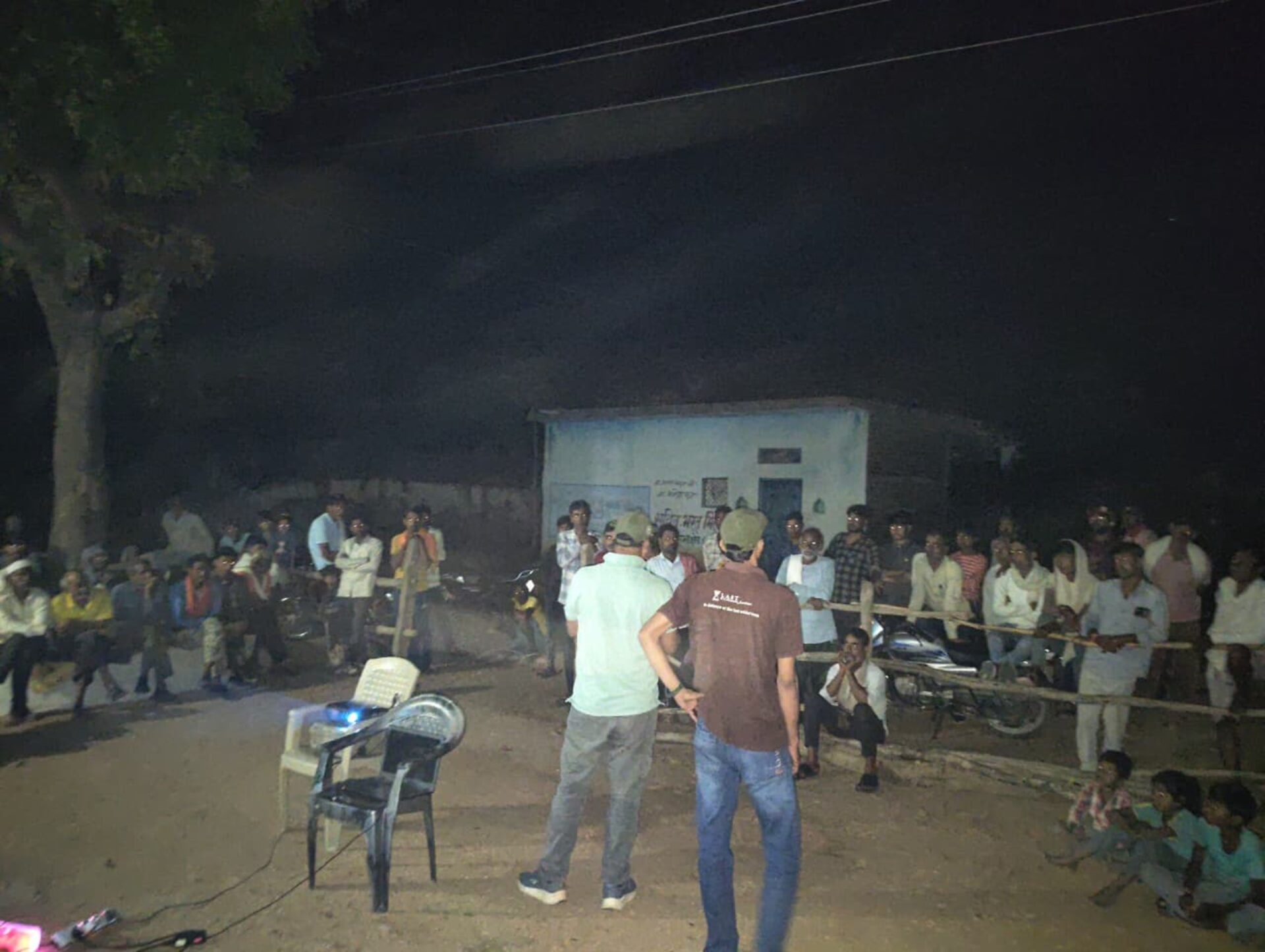
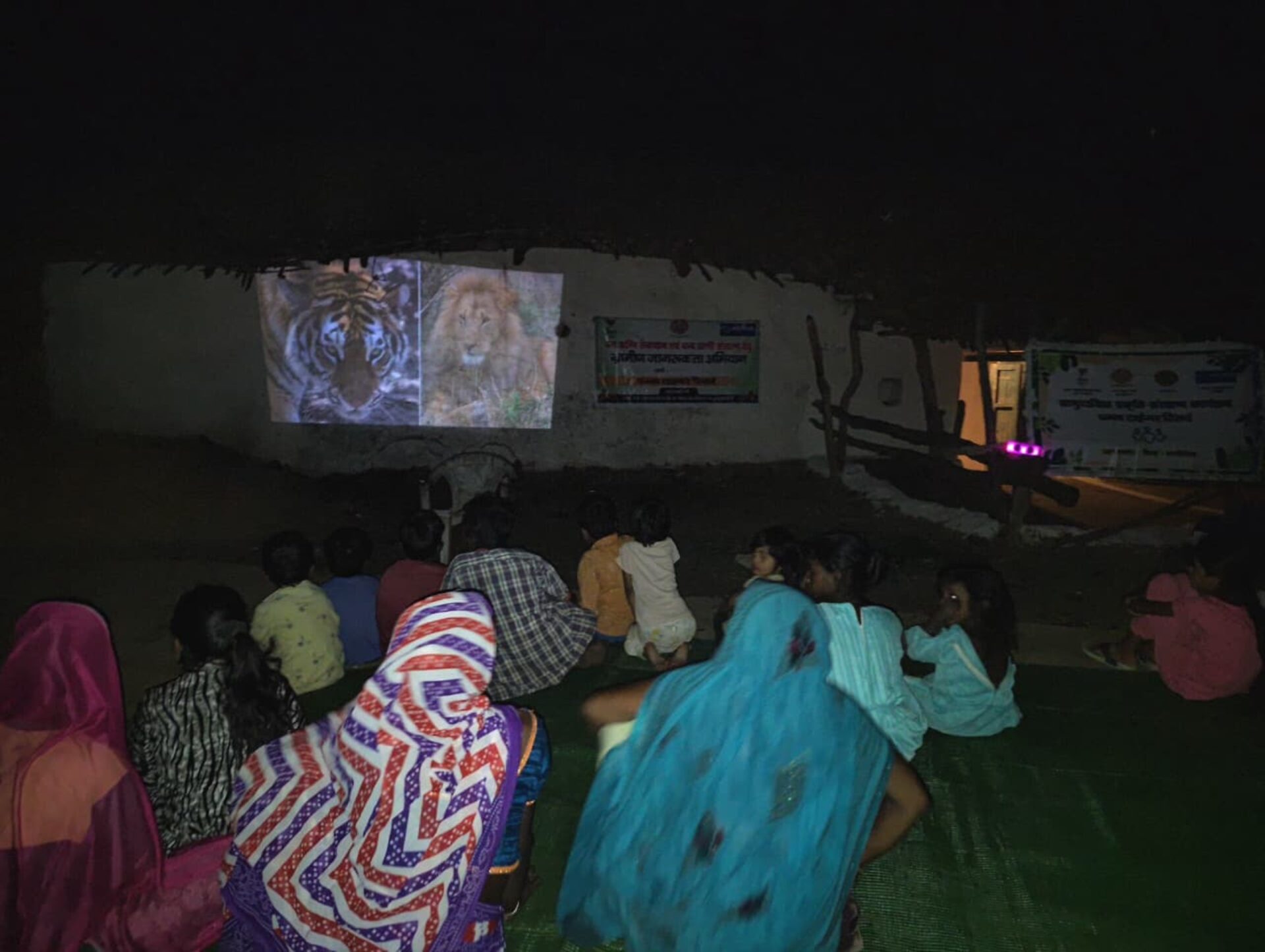
To tackle this issue, Last Wilderness Foundation has been conducting fire awareness workshops at all four project sites in close coordination with the Forest Department. These efforts ensure a consistent approach to fire prevention across the landscape instead of isolated actions. The programs receive support from CSR partners including Morningstar, Dalmia Charitable Trust, and Astral Foundation, which helps to reach more people and maintain engagement with communities living near the forests.
Awareness initiatives emphasize practical actions based on behavior, especially during high-risk times. Key messages include:
- Sweeping away leaf litter from the forest floor instead of burning it
- No cooking in the forest
- No smoking in the forest
- Immediate reporting of any signs of fire.
And LWF reinforces these measures through village awareness sessions, on-the-ground demonstrations, and regular engagement with communities. Fire prevention efforts improve through active collaboration and joint patrolling during peak-risk months, particularly during the mahua season. This supports early detection and quick response.
Community members play a vital role as the first line of defense, helping to spot and report fires before they can spread. Interventions are strategically ramped up between January and April, matching peak summer conditions and increased use of the forests. This ensures that prevention efforts are timely and directly address the realities in the field across all landscapes.
At its heart, forest fire prevention in these areas is driven by teamwork, community involvement, and strong partnerships. This approach helps ensure that conservation efforts are both effective and lasting.