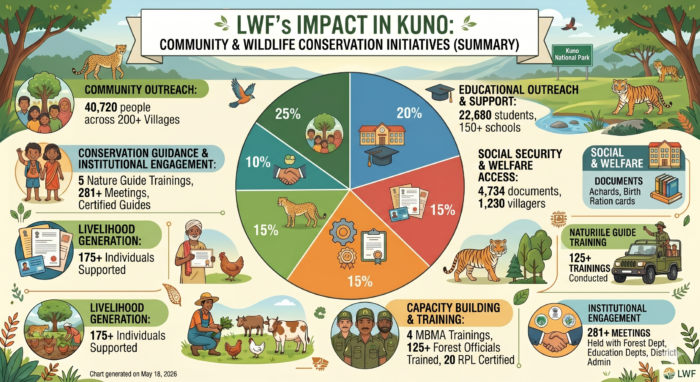
Over the last few years, Last Wilderness Foundation has been working closely with the Moghiya community in the Kuno landscape of Madhya Pradesh.
The Moghiya are a forest-dependent community with a long and complex history tied to wilderness landscapes across Central India and Rajasthan. Living on the fringes of forests and society, many families have faced generations of economic hardship, social exclusion, and limited access to education and formal opportunities.
Kuno, now internationally recognised as the home of India’s cheetahs, is also a landscape where people and wildlife continue to share space in deeply interconnected ways. In such landscapes, conservation cannot succeed without trust, dialogue, and meaningful engagement with local communities.
Our work with the Moghiya community began through conversations, field visits, and sustained engagement in villages around Kuno. Over time, relationships built on trust opened pathways for deeper collaboration around education, livelihoods, awareness, and coexistence.
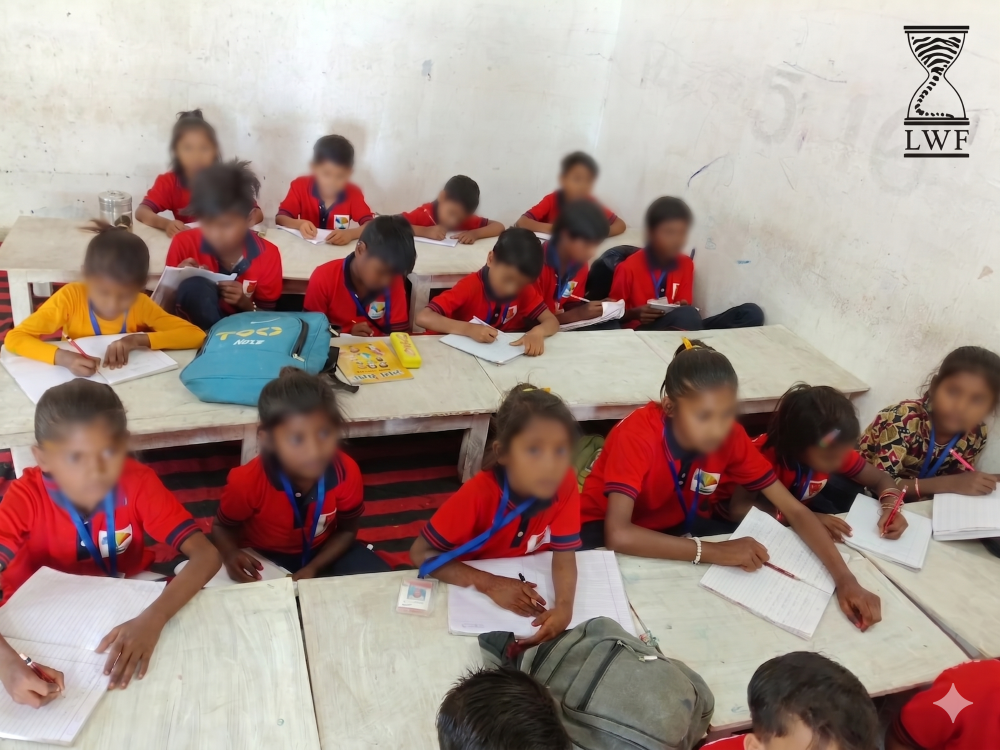
One of the most significant shifts has been around education.
For many Moghiya families, sending children to an English-medium school was once unimaginable. Distance, financial barriers, and social circumstances often prevented children from accessing consistent education. Through continued engagement and support from local partners and educators in Kuno, children from the community gradually began enrolling in school.
Today, over 30 Moghiya children are attending school regularly and performing well academically. Many are first-generation learners. Families that were once uncertain about formal education are now actively supporting their children’s learning journeys and contributing financially wherever possible despite limited means.
Alongside education, Last Wilderness Foundation also engages with the community through awareness programmes, dialogue around coexistence, field interactions, and efforts that strengthen long-term participation in conservation landscapes. Our approach focuses on building relationships, understanding local realities, and creating opportunities that support both people and wildlife.
We also continue to explore pathways related to livelihoods, youth engagement, conservation awareness, and community participation in landscape-level initiatives around Kuno. Years of experience working with communities in conservation landscapes, have proved that when local communities are included as partners in conservation, both humans and wildlife thrive!