

IMG-20250722-WA0079
7
6
3
2

In September, Last Wilderness Foundation (LWF) conducted a Nature Guide Training programme to equip local youth with the knowledge and skills needed to explore opportunities in biodiversity interpretation and eco-tourism in the Gandhi Sagar region.
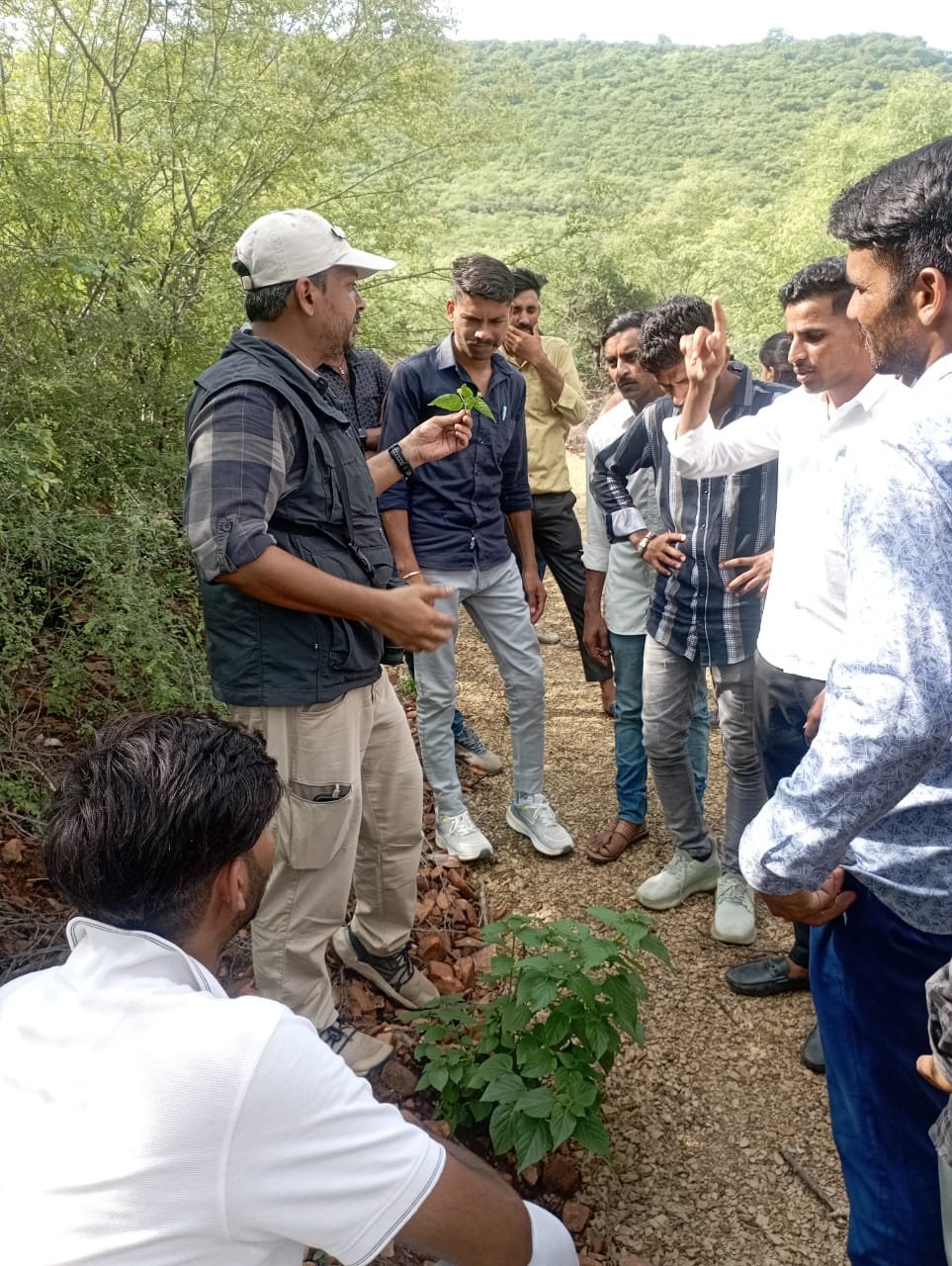
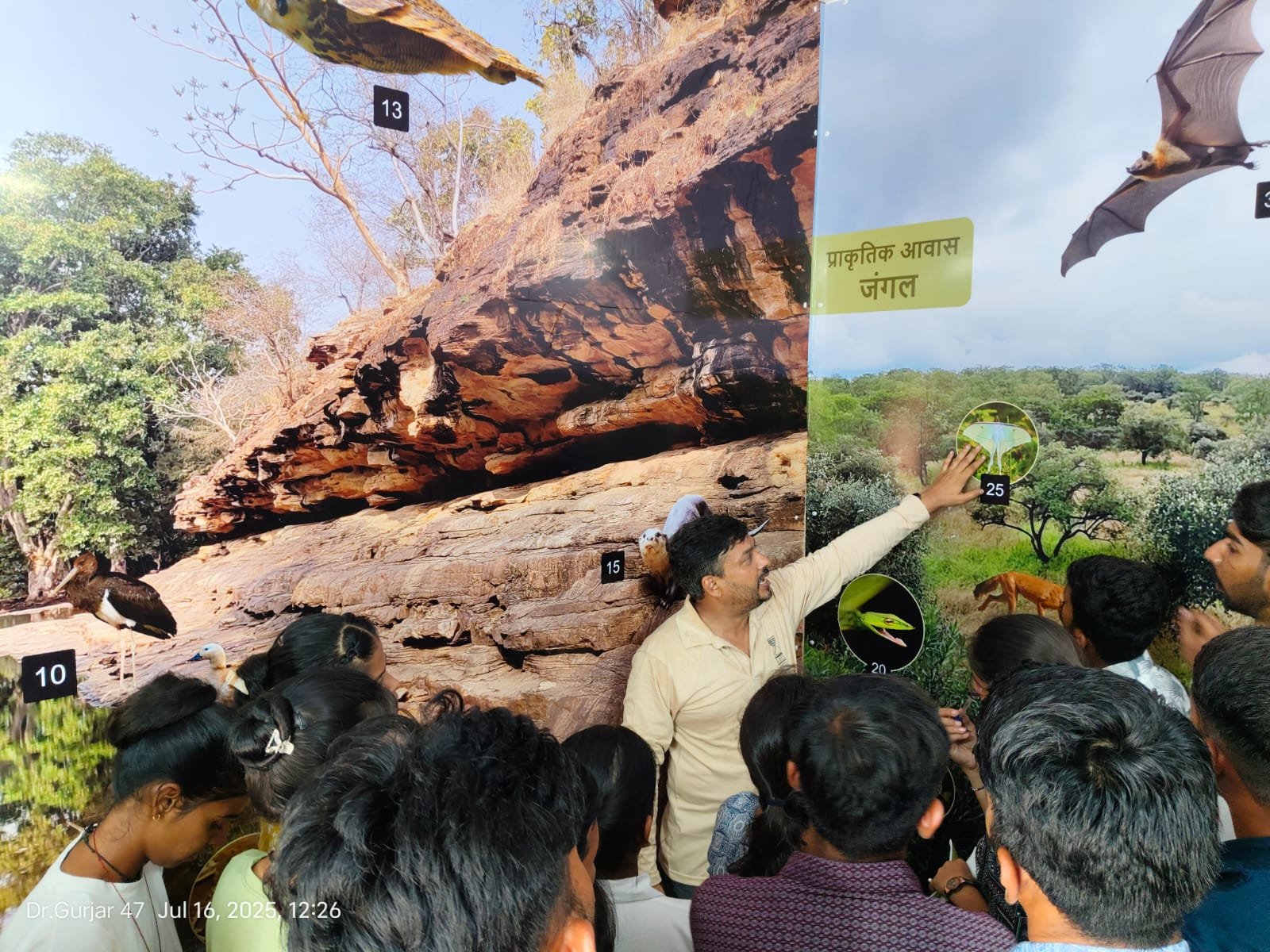
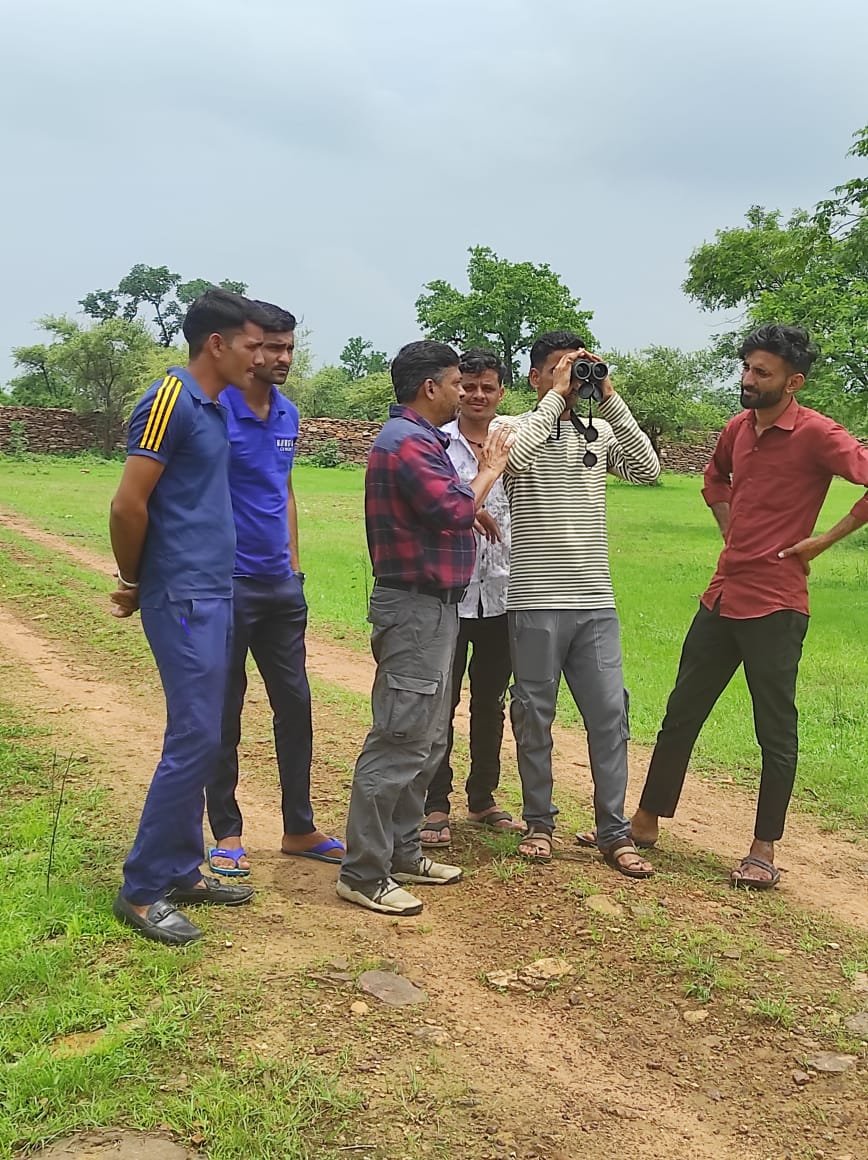
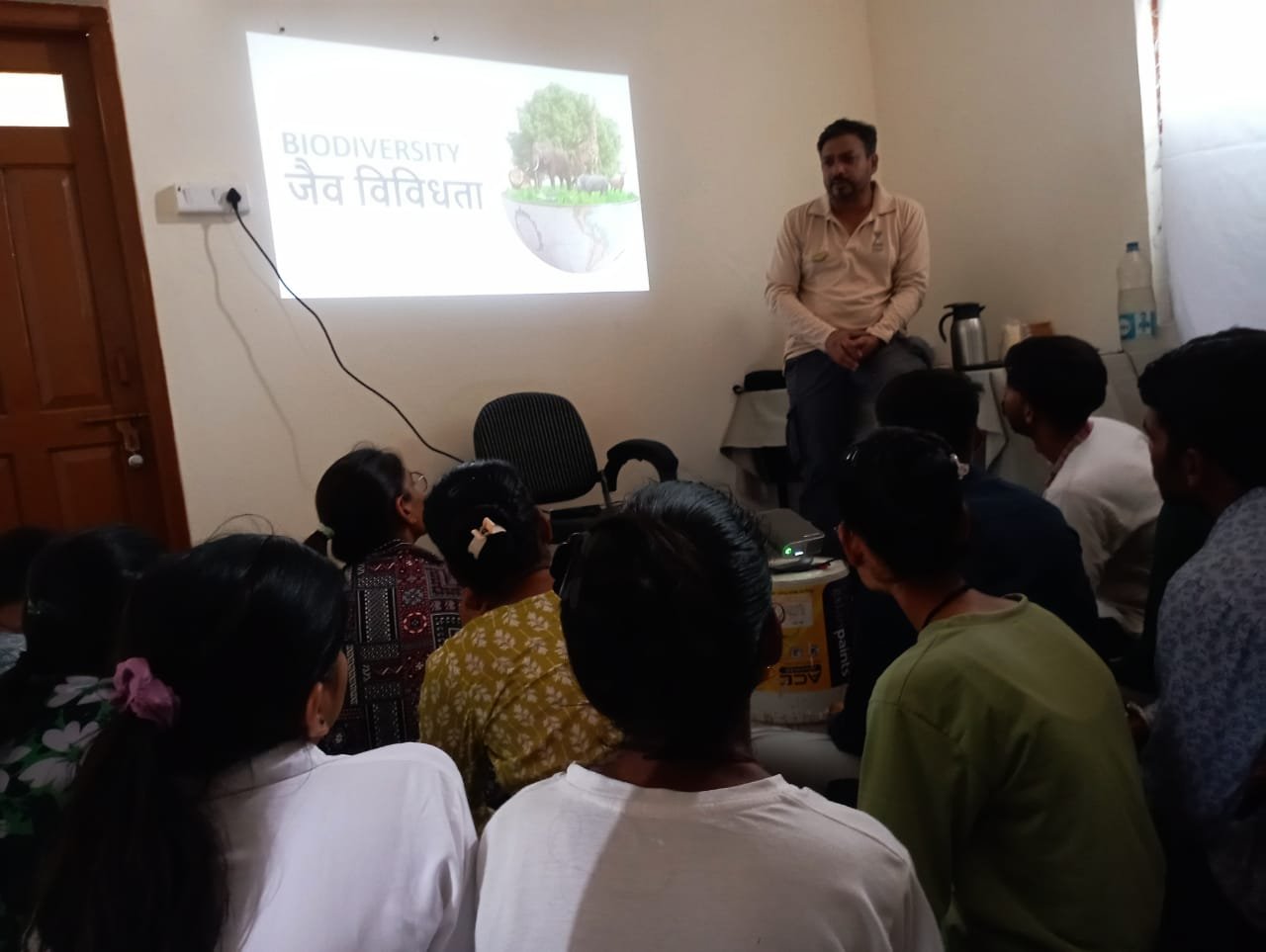
A total of 23 young participants took part in the five-day programme, which combined three days of experiential training with two days of guided nature walks at Rampura Nature Interpretation Centre (NIC) and Tapkeshwar Mahadev. The field-based approach gave participants an opportunity to move beyond the classroom and engage directly with the biodiversity and landscapes around them.
The training covered a wide range of topics, including biodiversity conservation, identification of local flora and fauna, and the use of the iNaturalist app for species documentation and identification. By combining classroom instruction with hands-on field exposure, the programme helped participants develop both technical understanding and the confidence to engage with visitors as nature guides. Through guided nature walks and interactive learning, trainees strengthened their ability to observe, identify and interpret the natural world around them.
Creating Conservation-Linked Livelihoods
Nature guiding can provide local youth with a sustainable livelihood while enabling them to remain connected to their own landscapes. With the right skills and training, young people can participate in eco-tourism, share knowledge about local biodiversity, and become ambassadors for their natural heritage.
The trained youth are now better equipped to contribute to eco-tourism initiatives, spread conservation awareness within their communities, and support long-term conservation goals in the Gandhi Sagar landscape.
For LWF, building local capacity is an important part of creating livelihood pathways that are connected to conservation. By investing in skills and knowledge, such programmes create opportunities for young people while strengthening the connection between communities, responsible tourism and the landscapes they call home.