

Ravlikudi village Brahma bharmal Gurjar
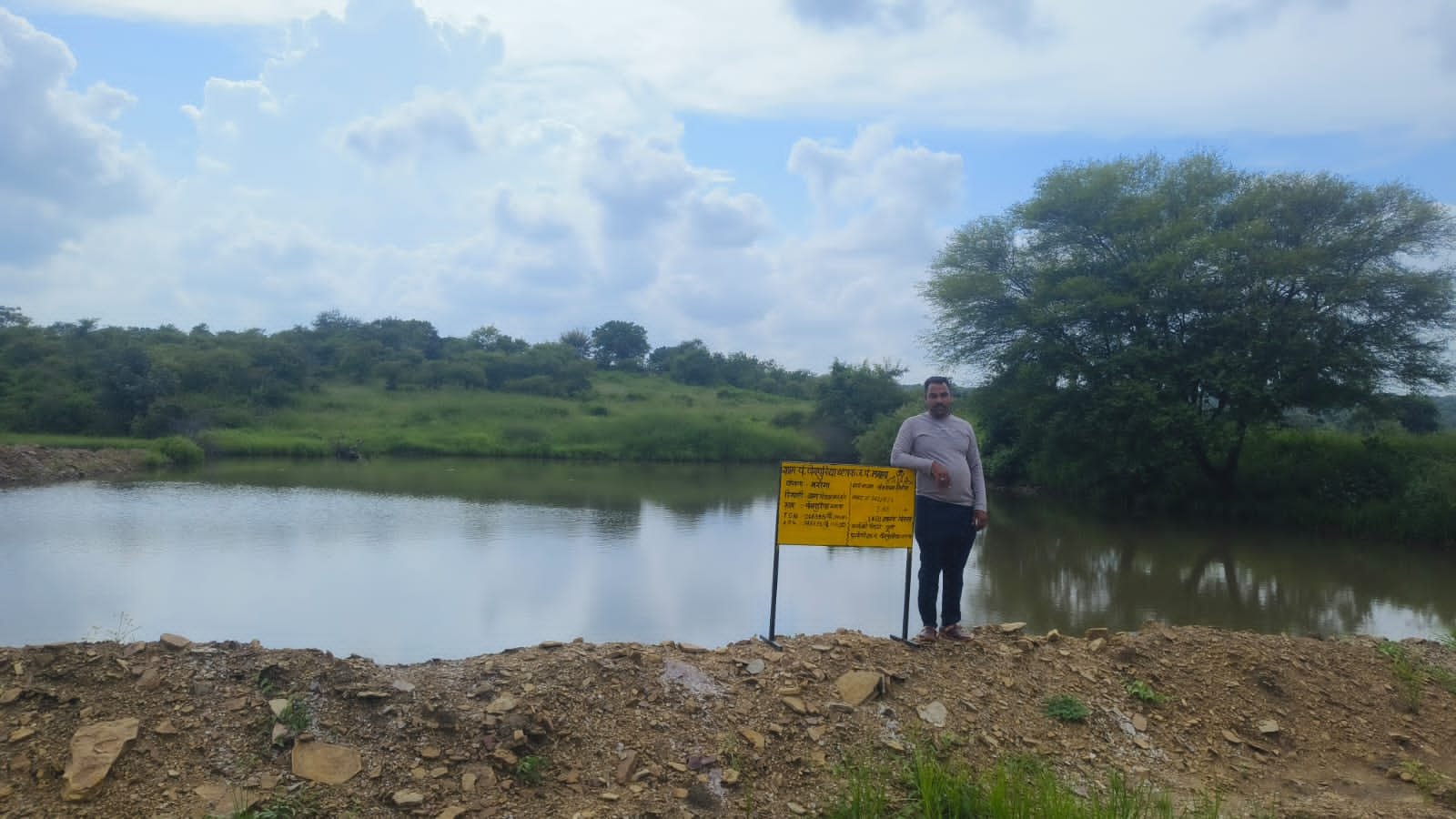
oppo_34
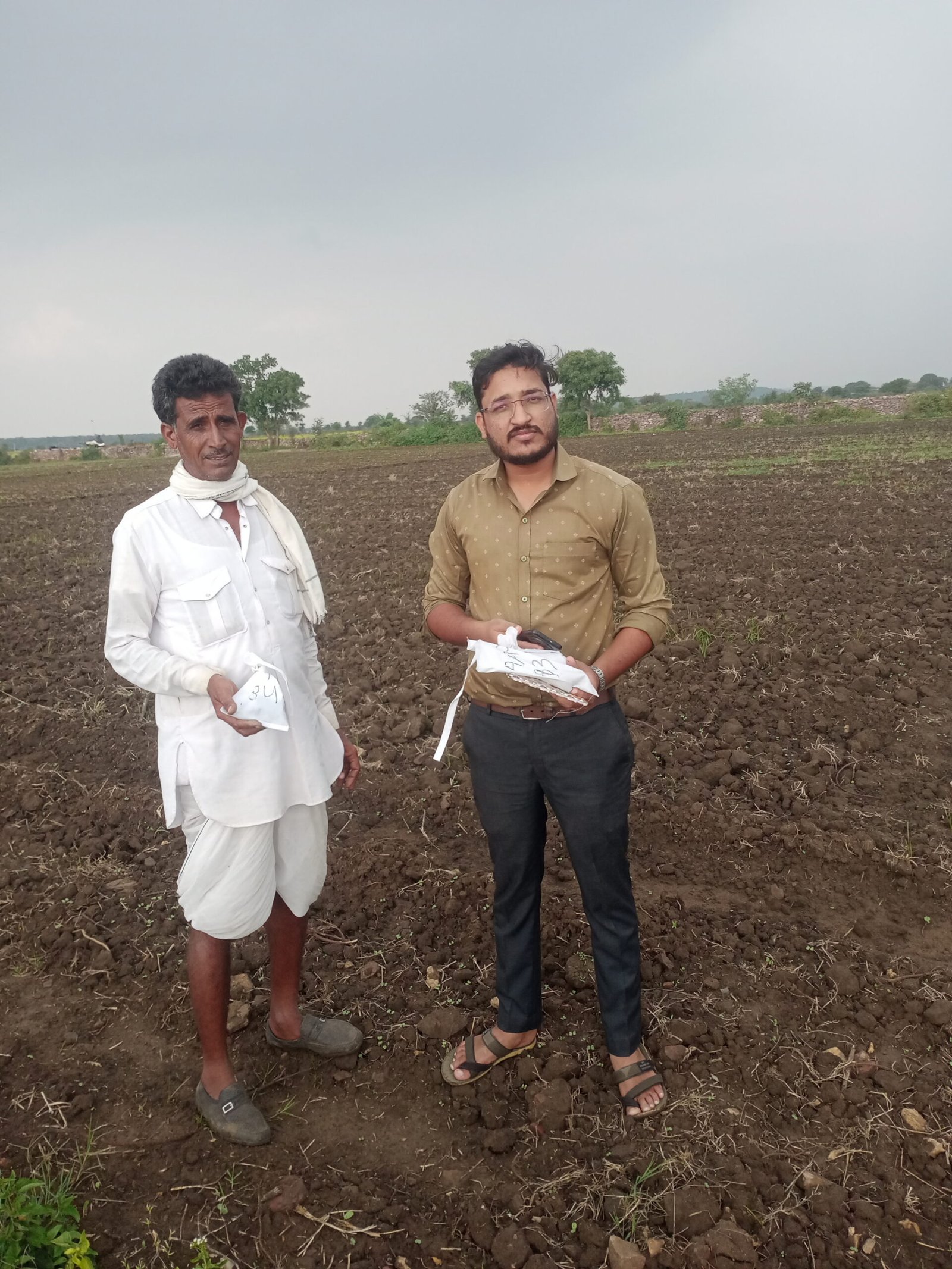
Chainpuriya village bhanwar Lal ji Charan
Government schemes provide important support for rural livelihoods, agriculture and financial security, but accessing these benefits can often be challenging. Limited awareness, complex application processes and difficulties with documentation can prevent families from accessing programmes they are eligible for.
In the Gandhi Sagar landscape, Last Wilderness Foundation (LWF) works on the ground to help communities navigate these processes and connect with relevant government schemes. Through on-ground facilitation, awareness and assistance with applications and documentation, LWF helps families access resources that can strengthen their livelihoods and build greater resilience.
Supporting Farmers and Rural Livelihoods
In the second half of 2025, several government schemes were facilitated across villages as part of ongoing efforts to support farmers and improve rural livelihoods.
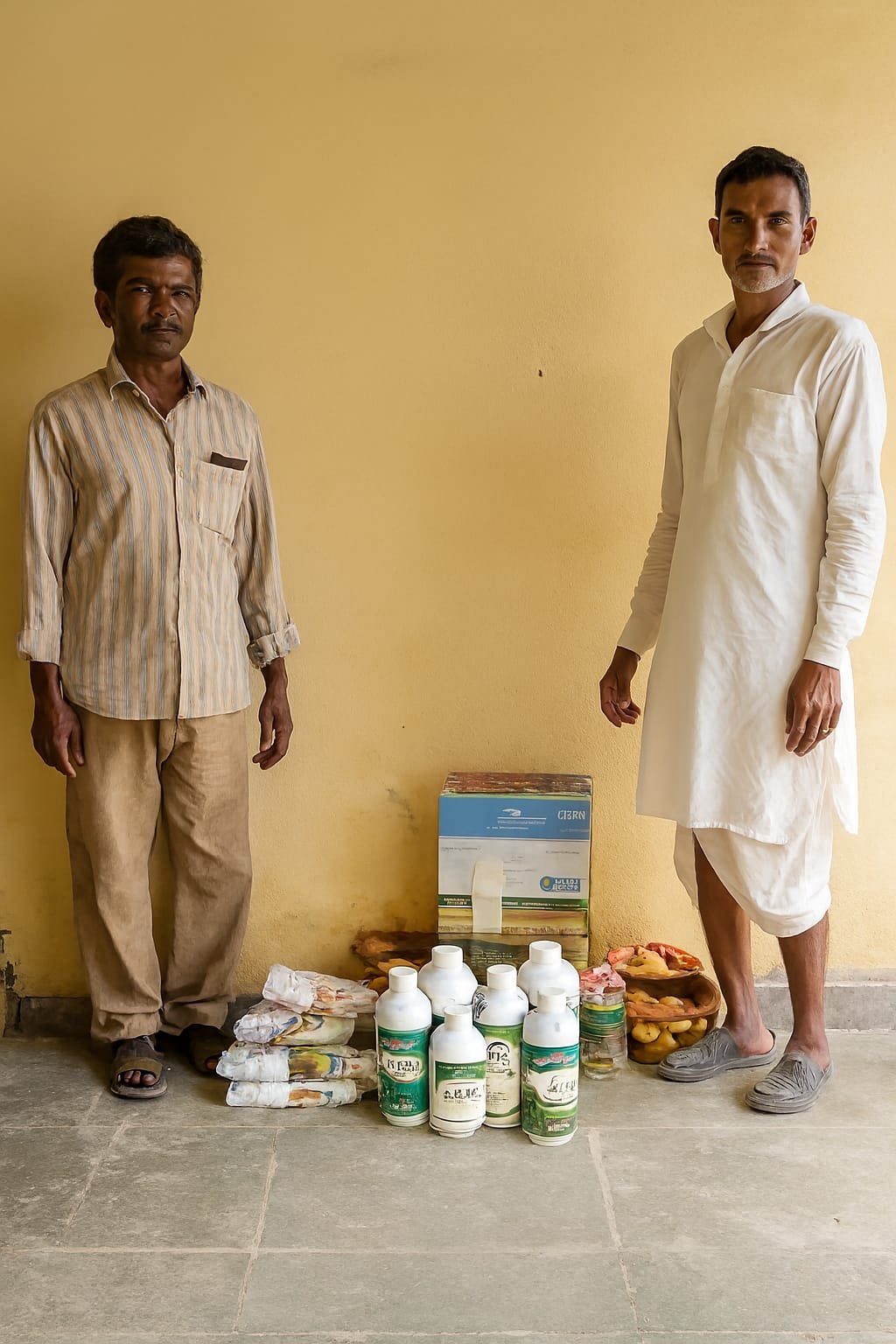
Under the “Ek Baghiya Maa Ke Naam” initiative, two farmers from the Charan community in Rawlikudi village received spray pumps along with agricultural fertilisers and pesticides to support improved crop productivity.
Following budget-related challenges under MGNREGA for the stop dam construction, LWF, in collaboration with the Janpad Panchayat, facilitated access to the Farm Pond Scheme for five farmers from the Gurjar and Charan communities in Rawlikudi. The intervention aimed to improve irrigation access while strengthening local water resource management.
Financial inclusion was another area of facilitation. Under the Kisan Credit Card (KCC) Scheme, application forms were collected and processed for 41 individuals across Bassi, Khemla, Chandpura, Amarpura, Chainpuriya and Bhuj villages. Improved access to institutional credit can help farmers meet agricultural expenses and invest in their livelihoods.
By helping communities understand available schemes and navigate application and documentation requirements, LWF works to bridge the gap between government programmes and the people they are intended to benefit.
These efforts contribute to stronger agricultural livelihoods, improved water security and greater economic resilience for rural communities across the Gandhi Sagar landscape.