
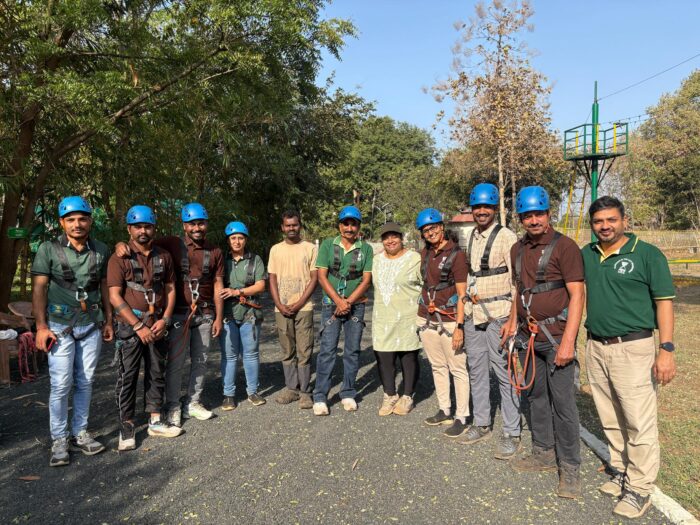
Conservation work often takes place across different landscapes, where teams spend most of their time in the field working with communities, coordinating with forest departments, and traversing the everyday realities of protecting wildlife and habitats. Because teams are spread across different regions, opportunities to meet in person become both valuable and necessary.
Periodic team offsite meets provide that opportunity.
Such gatherings bring together field coordinators working across landscapes such as Kuno, Panna, Gandhi Sagar, and Bandhavgarh, along with the head office team that supports project management, partnerships, and communications. For many, it is one of the few occasions during the year when colleagues who collaborate remotely can finally sit together, exchange experiences, and reflect on their work.
The purpose of these meets goes far beyond simply reviewing projects. They are designed as spaces for open dialogue and collaborative thinking. Field coordinators share on-ground experiences from successes in community engagement to challenges encountered while implementing conservation programmes. These conversations often reveal patterns across landscapes and help identify practical solutions that can be applied elsewhere.
Such interactions also create productive ground for new ideas. Conservation requires constant adaptation, and these discussions allow the team to brainstorm innovative approaches, refine strategies, and explore new ways of strengthening conservation outcomes. Some of the most valuable insights emerge from informal conversations where different perspectives come together.
Listening to the challenges faced by team members is another important aspect of these gatherings. Fieldwork in conservation frequently involves complex ecological and social dynamics. By sitting together, the team can collectively examine these issues, exchange advice, and develop strategies that help colleagues navigate difficult situations more effectively.
Capacity building is also woven into the structure of these meetings. Training sessions, knowledge sharing, and exposure to new tools or methodologies help strengthen the team’s ability to respond to evolving conservation challenges.
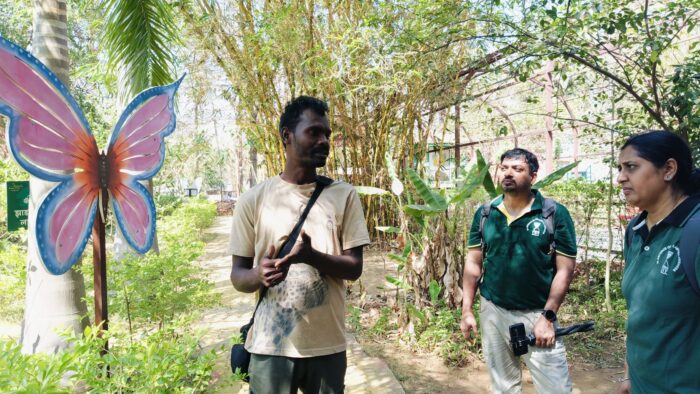
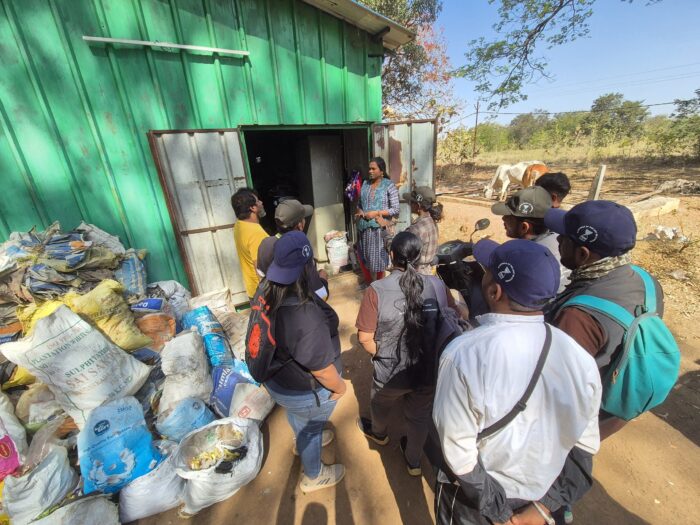
Equally important, however, is the opportunity for people to simply spend time together. Working in remote landscapes can sometimes feel isolating, and these gatherings help build camaraderie and strengthen the sense of belonging within the team. Conversations over meals, shared field stories, and time spent exploring nature together all contribute to building stronger relationships.
For an organisation working across multiple landscapes, these moments of connection are essential. They ensure that while individuals may be working in different forests and communities, they remain aligned in purpose and motivated by a shared commitment to protecting India’s wilderness.