

WhatsApp Image 2023-05-30 at 11.40.37 AM (1)
WhatsApp Image 2023-05-30 at 11.40.37 AM
WhatsApp Image 2023-05-30 at 11.40.39 AM
WhatsApp Image 2023-05-30 at 11.48.41 AM (2)
WhatsApp Image 2023-05-30 at 12.01.23 PM (2)
WhatsApp Image 2023-05-30 at 12.01.23 PM (1)
Last Wilderness Foundation has been working in the Panna Tiger Reserve landscape for over 15 years, supporting conservation efforts that place people and wildlife on equal footing. Over this time, long-standing relationships with forest staff and local communities have shaped our understanding of what works on the ground and what does not.
The Gram Rakshak Programme grew from this experience and was formally launched in 2021, in response to the need for stronger, village-level mechanisms to prevent conflict, improve communication, and support coexistence.
What is the Gram Rakshak Programme?
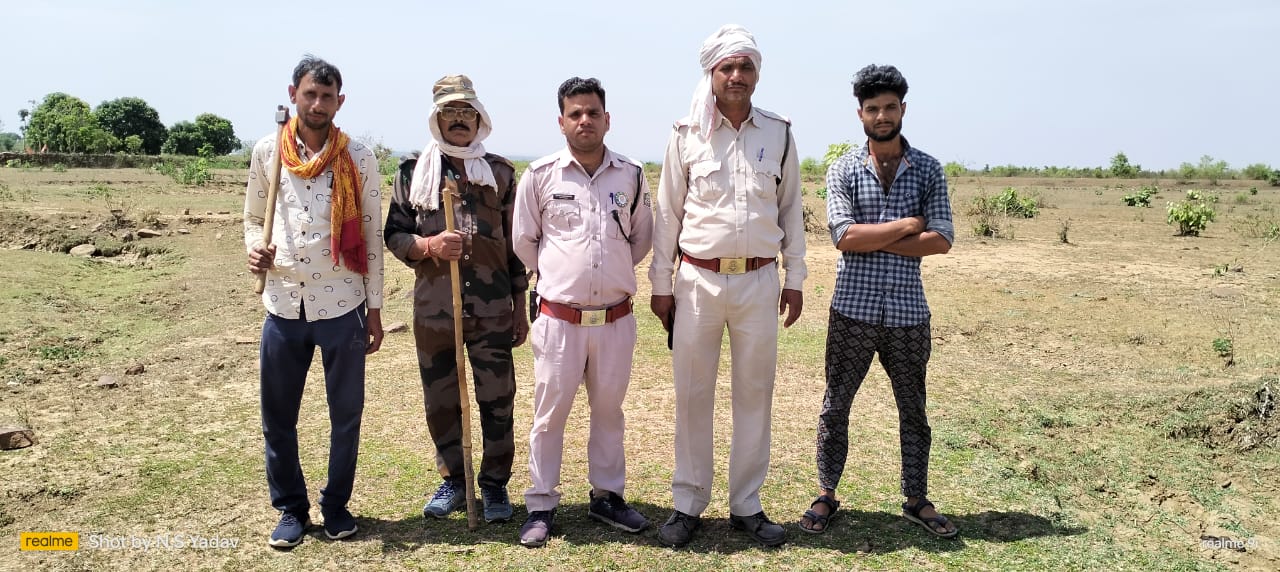
The Gram Rakshak Programme is a community-based initiative that identifies and supports local leaders to act as bridges between villages, forest staff, and government systems. ‘Gram Rakshaks’ literally meaning Village Protectors, are trusted community members who support conflict prevention, conservation awareness, and on-ground coordination.
How the Programme Works
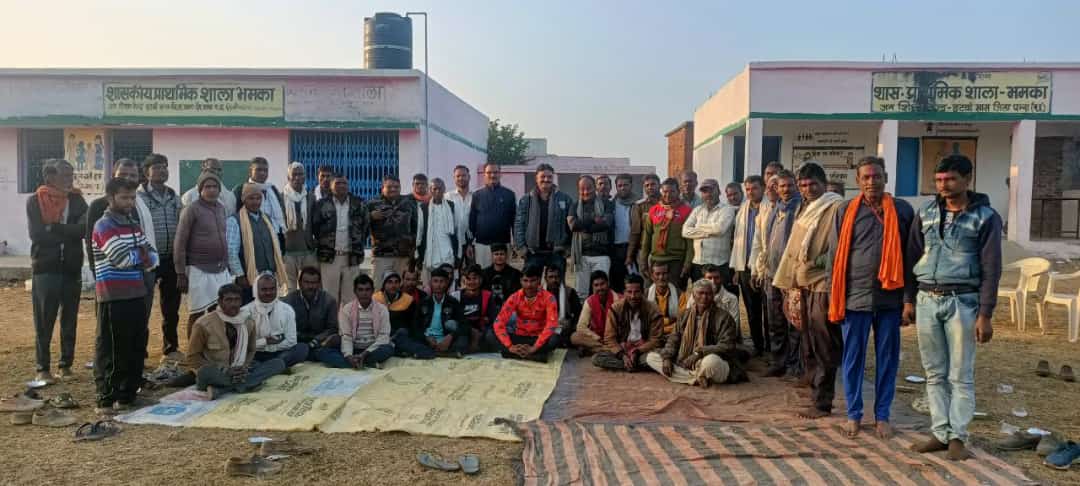
The programme begins with deep engagement at the village level. We interact closely with communities to understand local dynamics and identify individuals who are respected, motivated, and willing to take on responsibility.
Once selected, Gram Rakshaks undergo structured training on wildlife behaviour, conflict prevention, safety protocols, communication, and conservation awareness. We then support them in building working relationships with the forest department staff working on ground. This is followed by continuous collaboration, ensuring that Gram Rakshaks are embedded within existing response systems rather than working in isolation.
At present, around 30 Gram Rakshaks are active in and around the Panna Tiger Reserve. In recognition of the time, responsibility, and local expertise they bring, LWF provides an honorarium to support their continued engagement and to respectfully acknowledge their role as frontline community stewards.
Role of Gram Rakshaks
Gram Rakshaks play a practical and trusted role within their villages by:
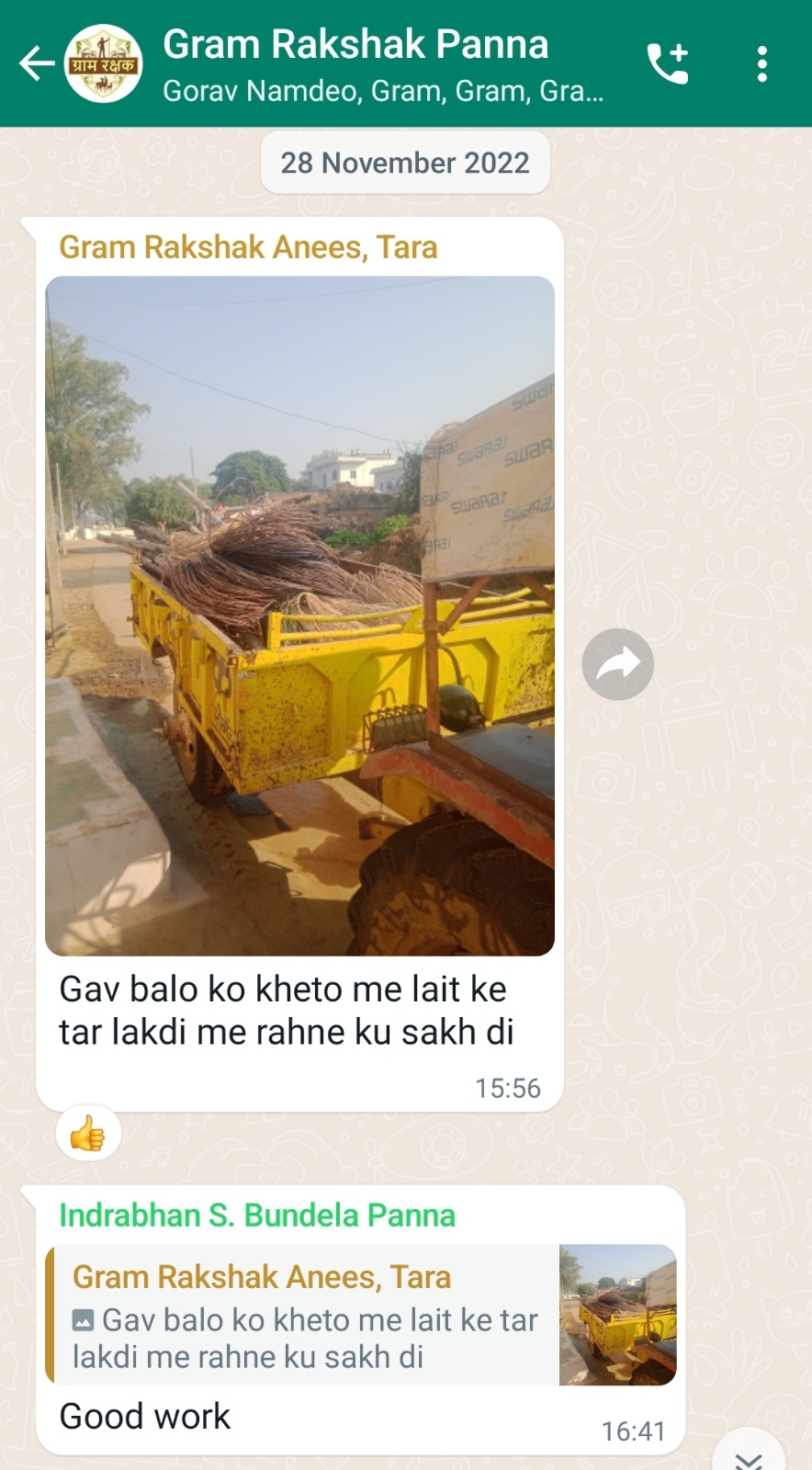
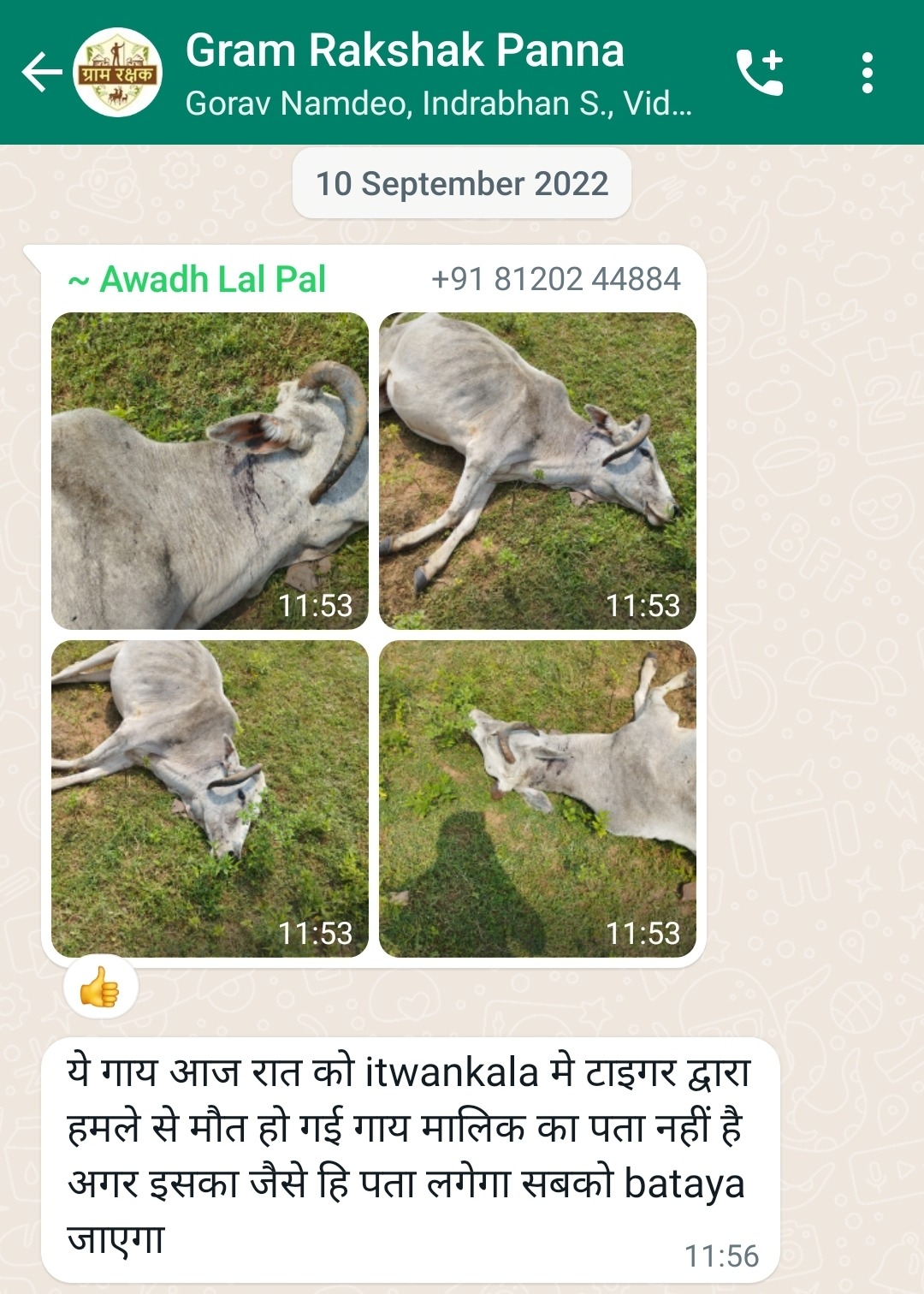
- Reporting and helping manage negative human–wildlife interactions
- Educating fellow villagers on coexistence, safety, and wildlife behaviour
- Supporting eco-tourism initiatives and conservation awareness
Their presence helps ensure faster communication, calmer responses during conflict situations, and clearer coordination between communities and forest authorities.
Impact So Far
Since its launch in 2021, the Gram Rakshak Programme has contributed to:
- A reduction in forest fire incidents in project villages
- Lower instances of retaliatory killings and conflicts
- Stronger trust and cooperation between communities and forest authorities
- Inspiration for similar community-led models in other landscapes
Why This Approach Works
The strength of the Gram Rakshak Programme lies in its respect for local knowledge and long-term engagement:
- Community ownership ensures responsibility and accountability
- Livelihood-linked incentives recognise time and effort without commodifying conservation
- Pride and responsibility foster sustained commitment to protecting wildlife
The programme is supported by the Astral Foundation, whose partnership has enabled continuity, training, and on-ground presence. Building on the foundation laid over the past 15 years in Panna, we are now working to expand the Gram Rakshak model to other landscapes, adapting it to local contexts while staying rooted in the same principles of trust and coexistence.