

Departure
Room
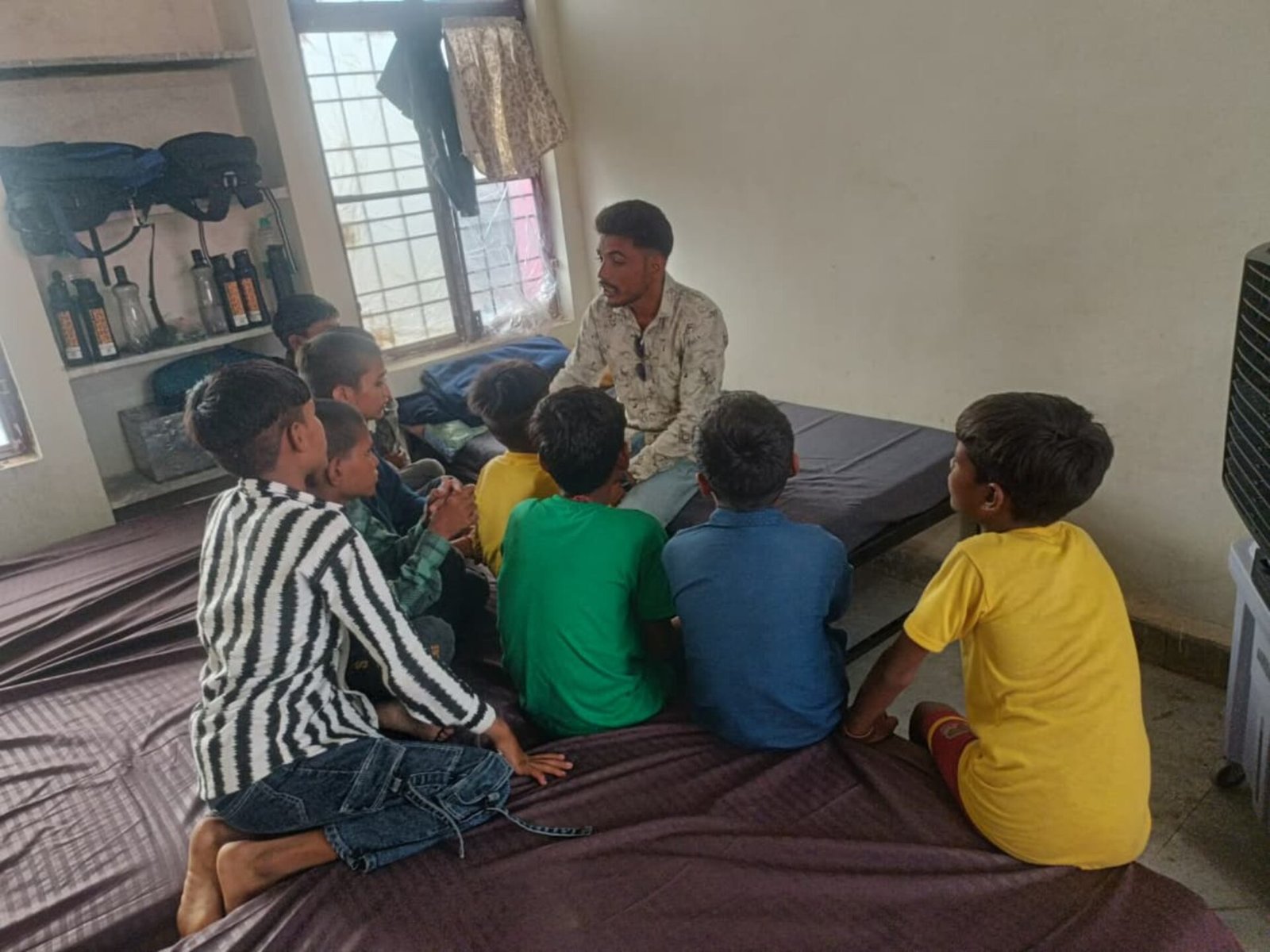
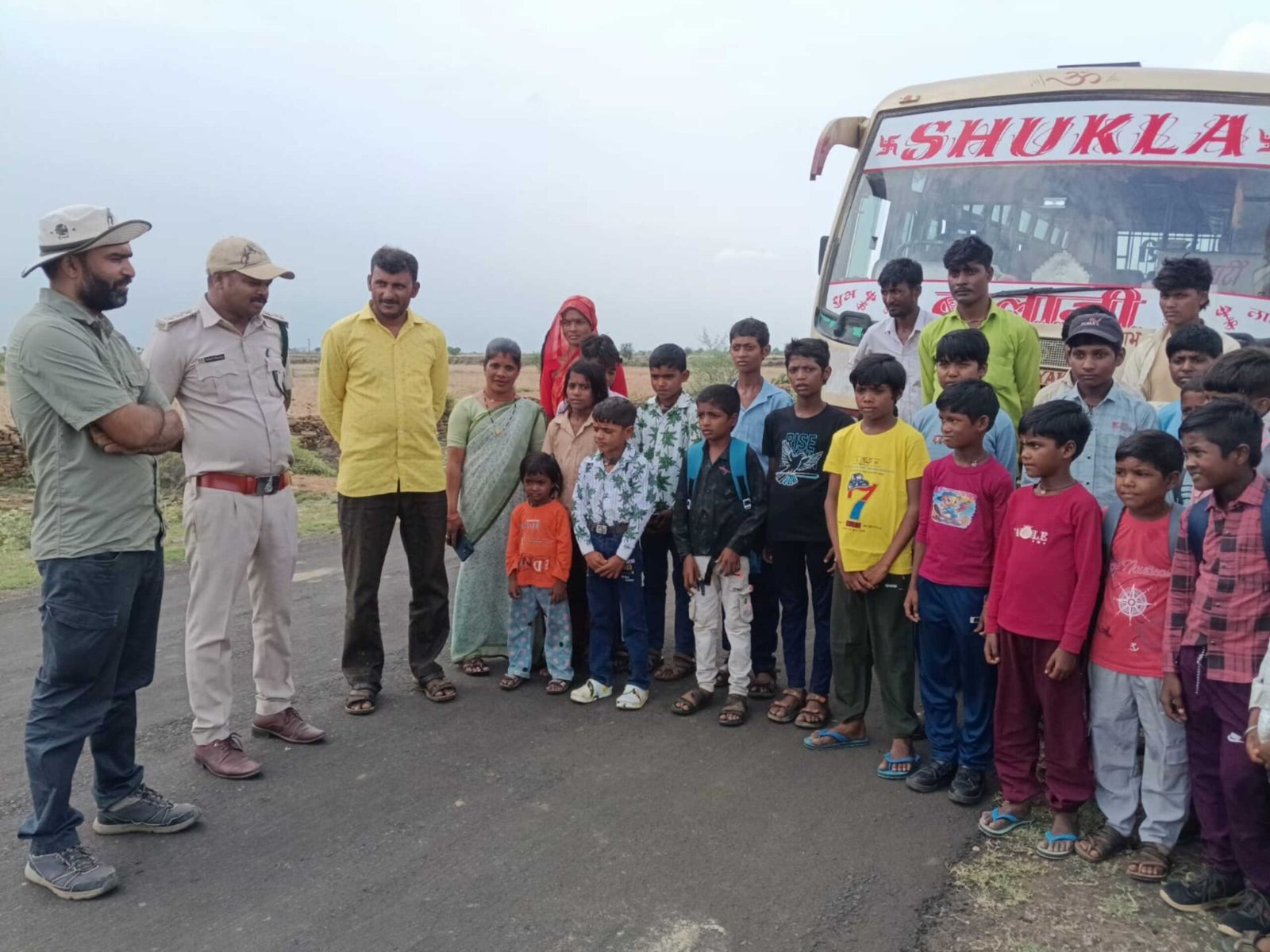
Access to uninterrupted education has long been a challenge for children from the Moghiya and Sehariya communities, living around Kuno National Park. The nomadic nature of the Moghiya community and limited access to existing educational facilities often made it difficult for children to remain enrolled in school, resulting in irregular attendance and disrupted learning. To address this, Last Wilderness Foundation (LWF), with the support of Dalmia Charitable Trust, facilitated admissions to residential hostels and schools, creating opportunities for children to access stable, continuous education.
The initiative was made possible through the collaborative efforts of multiple stakeholders. Working closely with the District Administration, Forest Department, the District Collector, and the District Project Coordinator (DPC) under Samagra Shiksha, LWF identified eligible children, supported families through the admission process, assisted with documentation, and coordinated with educational institutions to ensure smooth enrolment. The active support of these government departments and officials was instrumental in making this initiative possible.
This marked one of the first coordinated efforts to enable children from these nomadic communities to access long-term, uninterrupted formal education. By providing a stable learning environment, the initiative offers children the opportunity to remain in school consistently, build strong academic foundations, and develop the confidence and skills needed for a brighter future.
As part of this effort, 35 boys were admitted to the Netaji Subhash Chandra Bose Boys Hostel, which was the only government residential hostel available for eligible students during the admission period. In addition, 30 children were admitted to Adharshila School, while 20 children were enrolled in nearby primary schools, ensuring that as many children as possible could continue their education through appropriate educational institutions.
Beyond improving school enrolment, the initiative represents an important step towards breaking the cycle of educational disruption experienced by nomadic and tribal families. By enabling children to access stable learning environments through strong collaboration between communities, government institutions, and civil society, LWF is helping create pathways to greater educational attainment, expanded opportunities, and long-term socio-economic empowerment for Moghiya and Sehariya communities.