

Kuno_Safari_-_IMG-20260204-WA0136_2560x1920
RFO_Nikhlesh_sharma-IMG20260204151710_2560x1920
Weboflife_Games_Activity_-IMG20260202152512_1_2560x1144
WhatsApp_Image_2026-06-18_at_8.49.32_AM_1_2560x1952
WhatsApp_Image_2026-06-18_at_8.49.33_AM_2560x1952
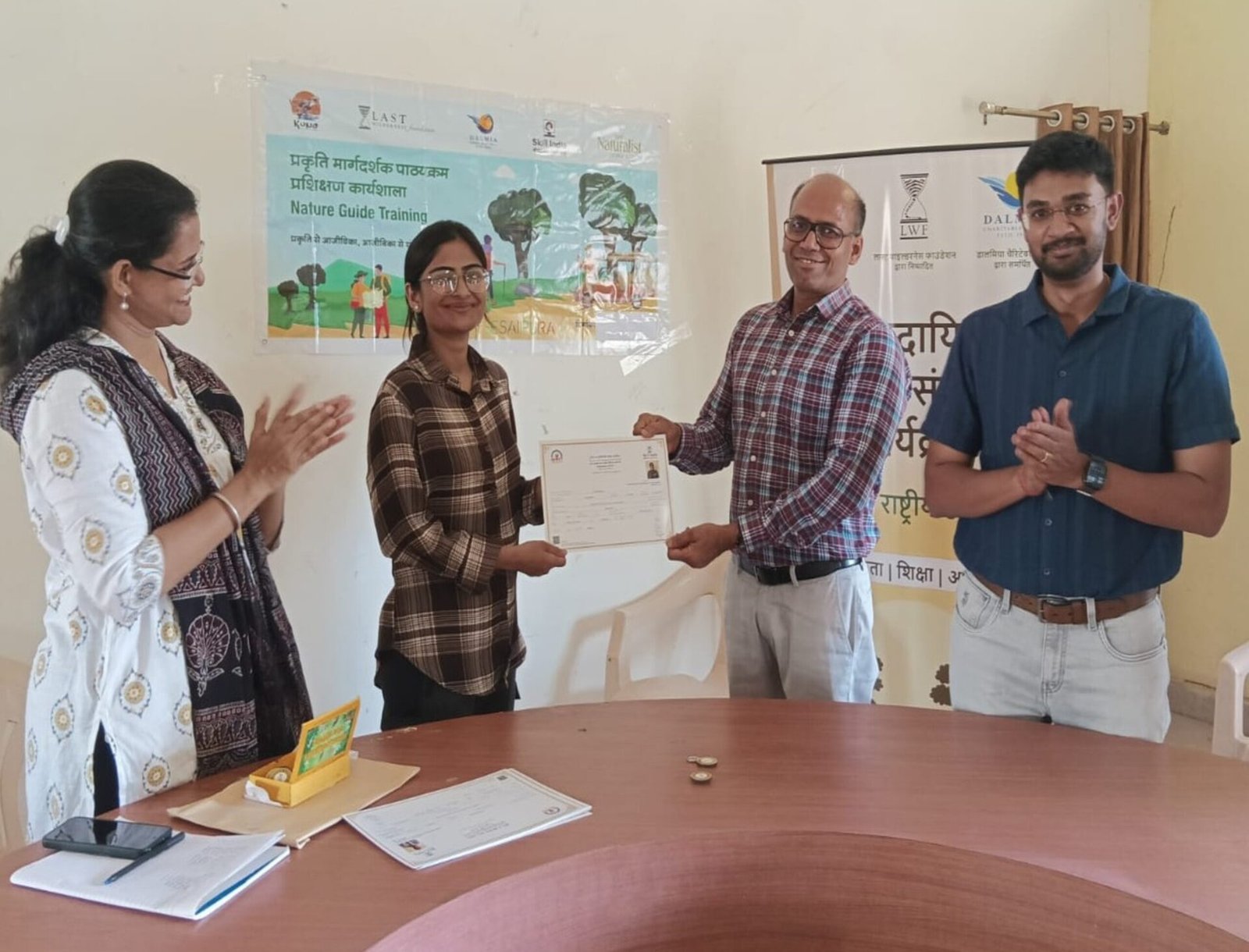
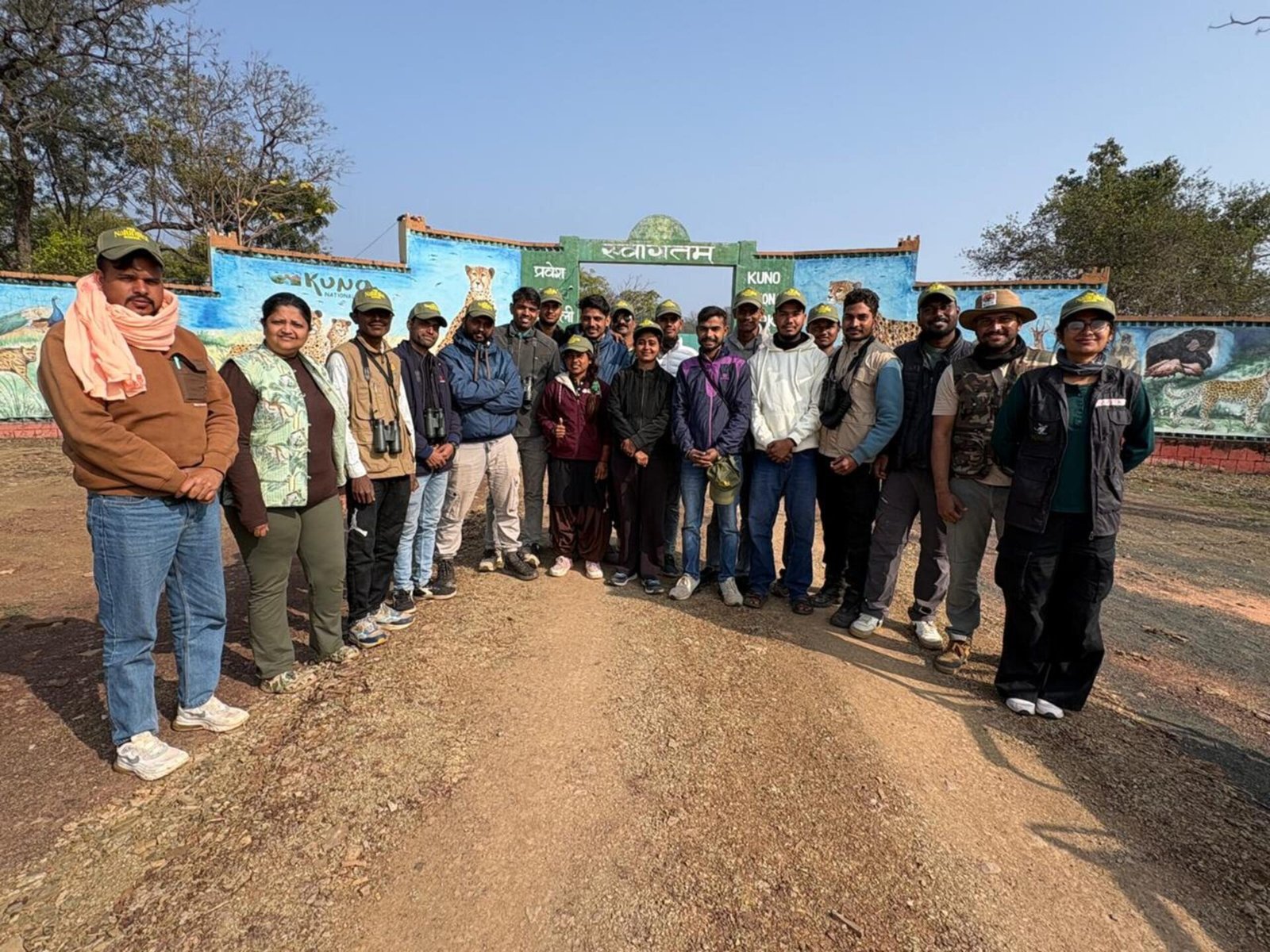
LWF recently conducted a Nature Guide Certification Programme at Kuno National Park, with the aim of preparing local youth for nature guiding as a sustainable, long-term livelihood rooted in the forest landscape.
The programme trained 17 participants, most of whom came from villages in and around Kuno. For many of them, the forest is already a familiar landscape; the training therefore focused on building the knowledge, skills, and professionalism required to engage with it responsibly while creating meaningful livelihood opportunities through nature-based tourism.
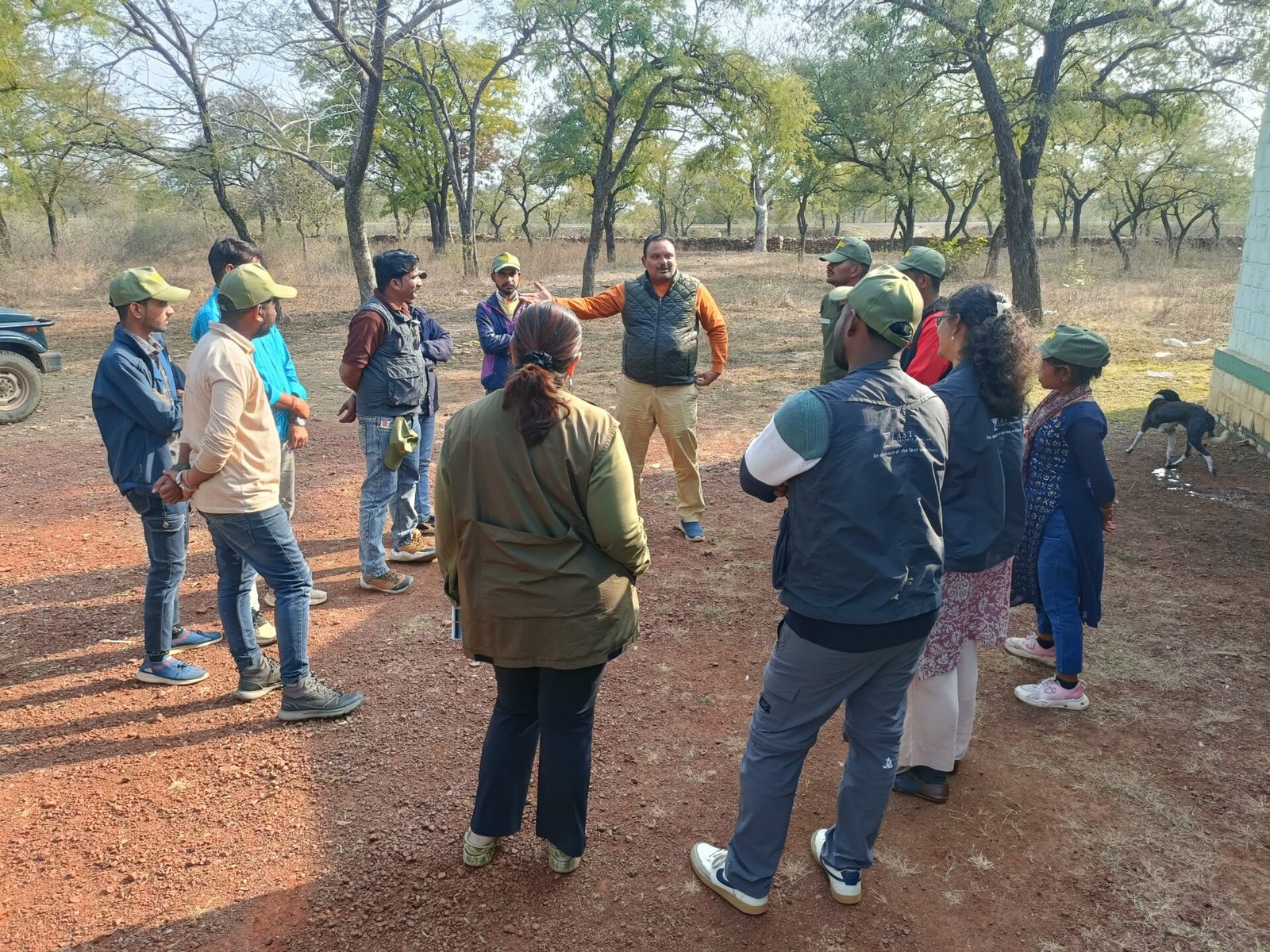
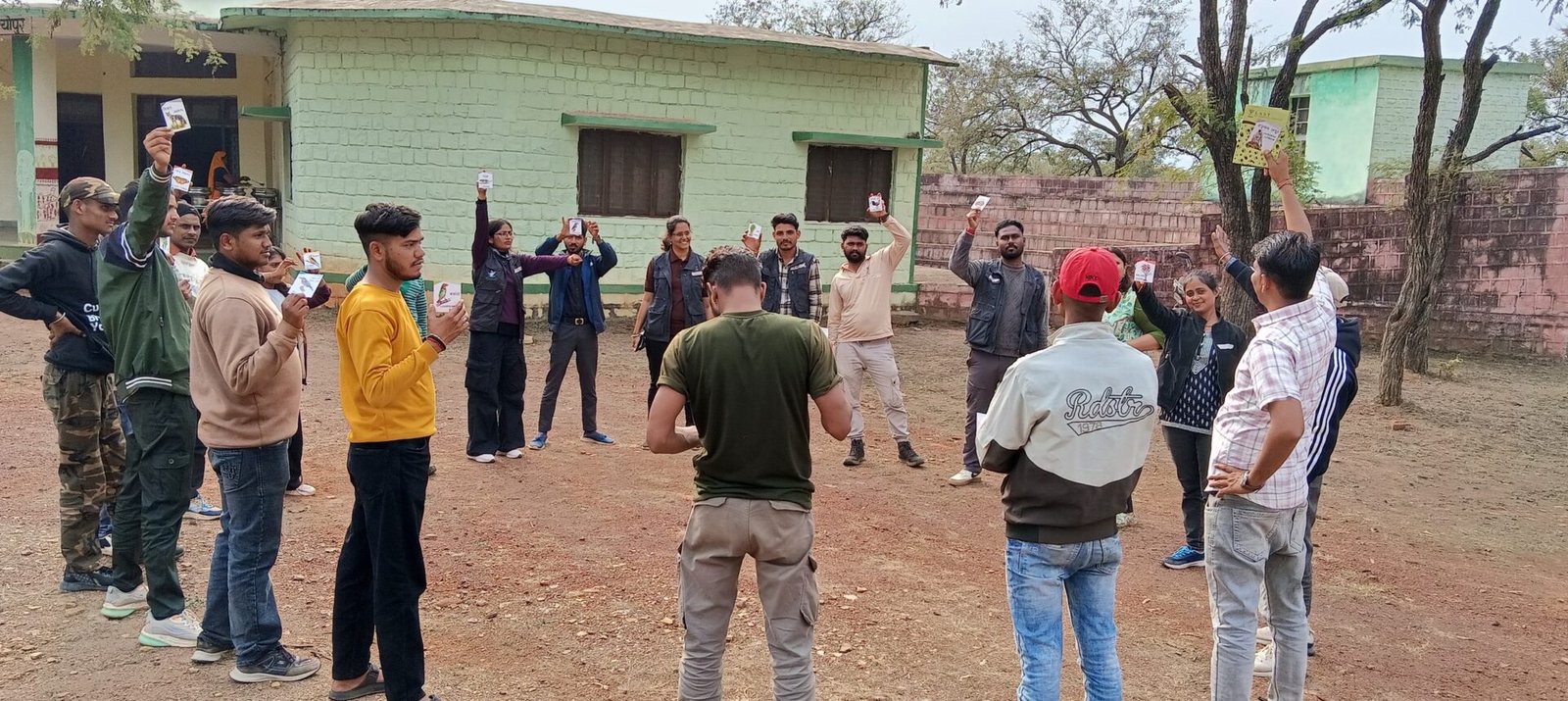
Sessions covered identification of bird species, basic ecology, animal behaviour, visitor safety, conservation laws, and interpretation skills, enabling participants to communicate Kuno’s natural history engagingly and respectfully. Equal emphasis was placed on field-based learning, where participants developed their observation skills, learnt to read animal signs, and gained a deeper understanding of the forest ecosystem.
The programme was conducted with the support of Dalmia Charitable Trust and in collaboration with The Naturalist School and Madhya Pradesh Forest Department, whose experienced trainers brought a practical, field-oriented approach to learning. RFO Yashvandhu Dhakad, RFO Nikhlesh Sharma and SDO Rajesh Mandoliya also conducted informative sessions during the training. Throughout, the focus remained on developing guides who possess not only technical knowledge but also the ethics, accuracy, and sensitivity required to represent protected areas responsibly.
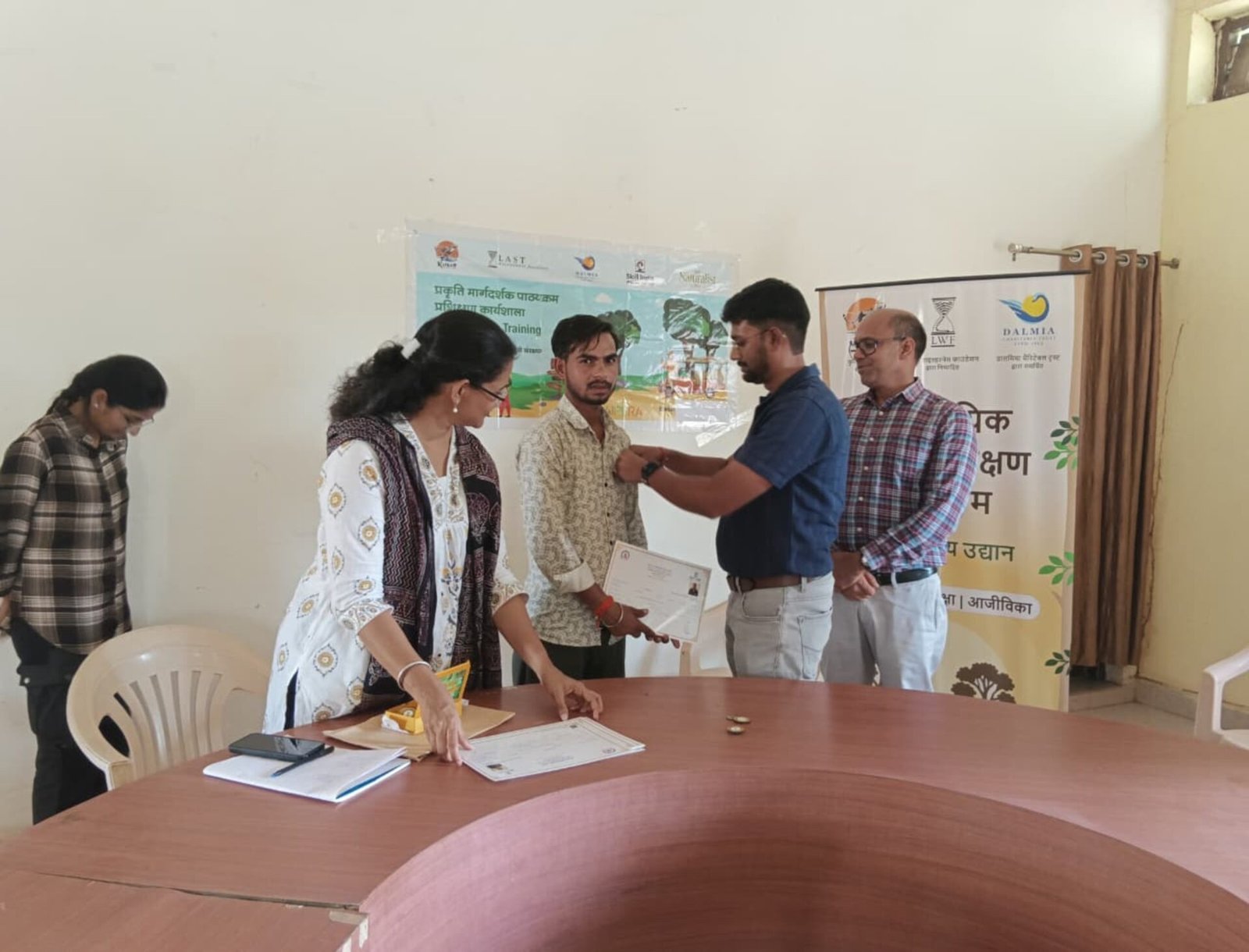
Following the completion of the training, participants underwent a formal assessment. Thirteen candidates successfully cleared the examination and received their Skill India Nature Guide Certification, while the remaining participants have the opportunity to reappear for the examination after further preparation. The certification was facilitated in collaboration with the Forest Department and awarded in the presence of CCF Shri Uttam Kumar Sharma and DFO Shri R. Thirukural, recognising the participants’ achievement under the Skill India framework.
Receiving a nationally recognised Skill India certification enhances the credibility and employability of local youth and opens pathways for employment in nature-based tourism, ecotourism, and conservation-linked professions. Excelling in the field of Nature guiding as a profession offers far more than a source of income. It provides local communities with an opportunity to become active custodians of the landscapes they have known and lived alongside for generations. As guides, these young men and women become ambassadors for Kuno, helping visitors appreciate its wildlife, ecology, and conservation significance while promoting responsible tourism.
By investing in local skills rather than short-term employment opportunities, the programme strengthens community stewardship and ensures that the benefits of conservation are shared with the people living closest to the forest. Through initiatives like these, Last Wilderness Foundation is helping create livelihoods that are intrinsically linked to protecting nature, fostering a future where conservation and community well-being go hand in hand.